
Prevention
Understanding the Main Risk Factors for Heart Disease?
Plaque build up in the heart occurs when fatty deposits narrow coronary arteries and reduce blood flow to the heart muscle.
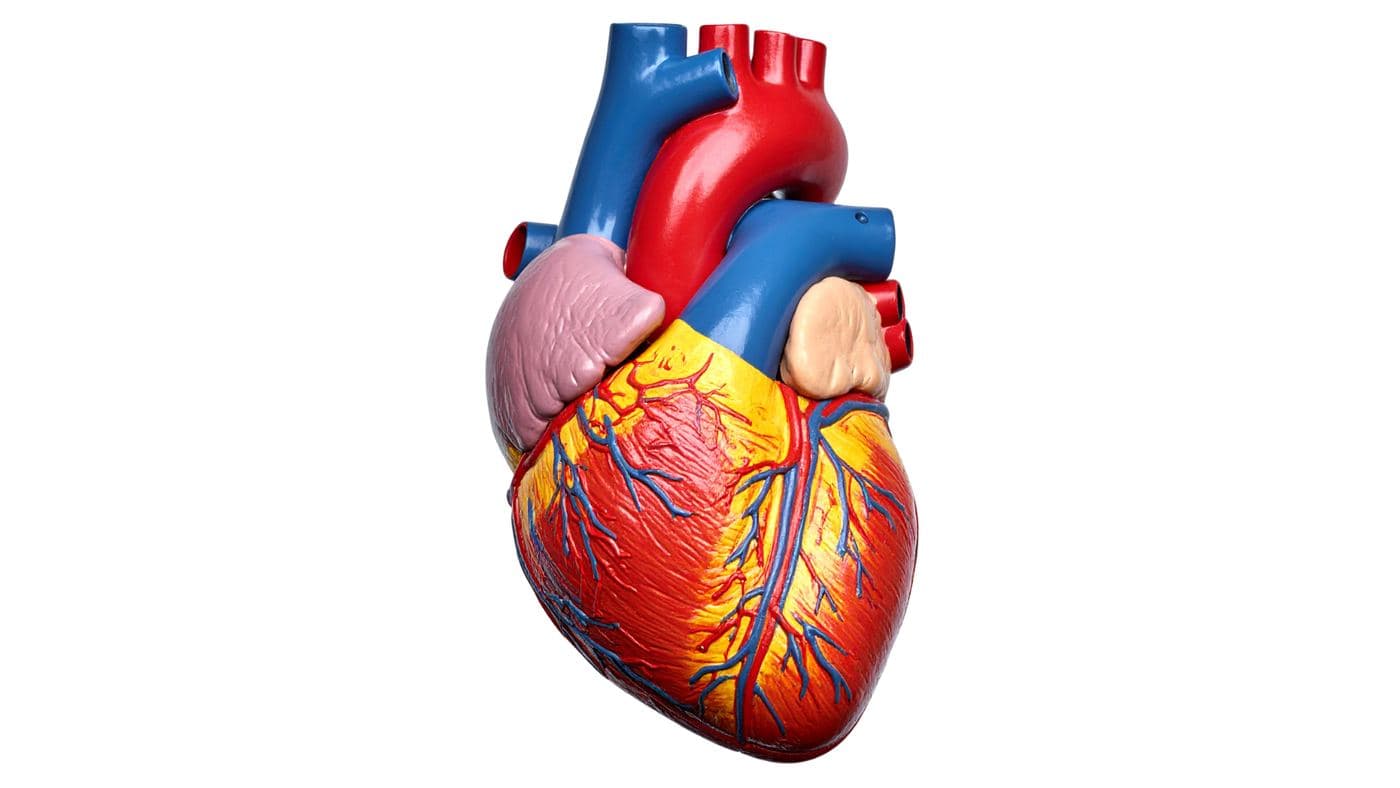
People often expect a complicated answer to the question of what really causes heart disease. In reality, the biggest risk factors for heart disease are often the everyday habits and health conditions that quietly influence your heart over many years.
The encouraging news is that most of these risk factors are modifiable. In other words, there are practical steps you can take to lower your risk, and prevention is far more powerful than waiting to treat a problem later.
Understanding what increases your risk is the first step towards protecting your heart.
Why Understanding Risk Factors Matters
Heart disease remains one of the leading causes of illness worldwide. Yet the majority of cardiovascular conditions,-Coronary%20Artery) develop slowly over decades rather than appearing suddenly.
Heart disease is rarely caused by a single issue. Instead, it is usually the result of several risk factors for heart disease working together over time.
These risk factors gradually damage the arteries, increase blood pressure, and place strain on the heart. However, when we identify them early, we can intervene with lifestyle changes, monitoring, and targeted treatment.
That is why prevention and awareness are central to modern cardiology.
The Most Common Risk Factors for Heart Disease
Some risk factors are related to your genetics or age, which we cannot change. However, many of the most important contributors are linked to lifestyle and daily habits.
These are the main risk factors for heart disease, and the ones most worth understanding.
High Blood Pressure
High blood pressure, also known as hypertension, is one of the most significant drivers of heart disease.
When your blood pressure remains elevated over time, it puts constant strain on the arteries. This pressure damages the inner lining of the blood vessels, allowing fatty deposits to build up more easily.
Over many years, this can lead to narrowed arteries, heart attacks, strokes, and heart failure.
What makes high blood pressure particularly challenging is that it often causes no obvious symptoms. Many people only discover they have it during a routine check-up.
That is why regular monitoring is essential, particularly if you are over 40.
You can learn more about high blood pressure on the NHS website.
High Cholesterol
Cholesterol plays an important role in the body, but when levels become too high, it becomes harmful to the heart.
Excess cholesterol can accumulate within the artery walls, forming plaques that narrow the blood vessels. This process is known as atherosclerosis.
When blood flow becomes restricted, the heart receives less oxygen. If a plaque ruptures, it can trigger a heart attack.
Managing cholesterol is one of the most effective ways to lower your risk. This may involve dietary adjustments, increased physical activity, or medication when necessary.
Cholesterol management is not about strict diets or extreme changes. It is about building sustainable eating habits over time.
Further information about high cholesterol is available on the NHS website.
Smoking
Smoking remains one of the most damaging risk factors for heart disease.
Tobacco smoke contains chemicals that damage blood vessels, increase inflammation, and reduce the oxygen carried in the bloodstream. Smoking also raises blood pressure and encourages the formation of blood clots.
Even a small number of cigarettes each day increases cardiovascular risk.
The good news is that the body begins to recover relatively quickly once smoking stops. Within months, circulation improves, and over time the risk of heart disease declines significantly.
Quitting smoking is one of the most powerful actions you can take to protect your heart.
Support to stop smoking is available through the NHS.
Physical Inactivity
Your heart is a muscle, and like any muscle it benefits from regular activity.
A sedentary lifestyle contributes to several major risk factors for heart disease, including high blood pressure, weight gain, and poor cholesterol balance.
Exercise does not need to be intense to be beneficial. Consistency matters more than intensity.
A simple daily routine can make a remarkable difference. Even something as straightforward as a 20-minute walk outdoors each day can support cardiovascular health, reduce stress, and improve overall wellbeing.
Daily movement is worth protecting, because it supports both physical and mental health.
The British Heart Foundation physical activity guidance provides useful advice on staying active.
Poor Diet
Diet plays a central role in cardiovascular health. Highly processed foods, excessive sugar, and unhealthy fats can all contribute to raised cholesterol, high blood pressure, and weight gain.
That said, strict or restrictive diets are rarely the answer. The goal should always be long-term sustainability.
Many people benefit from dietary patterns inspired by the Mediterranean diet. This includes:
Plenty of vegetables and fruit
Whole grains and legumes
Healthy fats such as olive oil and nuts
Moderate portions of fish and lean protein
Small improvements repeated consistently are far more powerful than temporary dietary extremes.
Chronic Stress
One risk factor that is often underestimated is stress.
Cholesterol and blood pressure understandably get the most attention, and they matter. Stress deserves a mention alongside them, largely because of the way it shapes everyday habits.
Persistent stress can disrupt sleep and make unhealthy coping behaviours more likely, such as overeating, smoking or drinking more alcohol.
The British Heart Foundation's position is that stress alone will not cause heart and circulatory disease, but that the habits it encourages, including comfort eating, drinking too much alcohol and being less active, can lead to long-term high blood pressure.
Stress management therefore deserves attention alongside diet and exercise. Simple strategies such as improving sleep, limiting screen exposure late in the evening, and spending time outdoors can all help.
The British Heart Foundation guide to stress and heart health explains how stress affects the cardiovascular system.
Risk Factors That Cannot Be Changed
While many risk factors for heart disease are linked to lifestyle, some are outside our control.
These include:
Age – cardiovascular risk increases as we grow older
Family history – genetic predisposition can influence risk
Sex – men tend to develop heart disease earlier, although women remain at significant risk later in life
Although we cannot change these factors, understanding them helps guide screening and preventative care.
For example, someone with a strong family history may benefit from earlier cholesterol testing or closer monitoring.
The Power of Early Prevention
One of the most important things to understand is that heart disease often develops quietly over many years.
However, this also means we have an enormous opportunity to intervene early.
By addressing the major risk factors for heart disease, we can significantly reduce the likelihood of future problems.
In many cases, prevention involves simple daily habits:
Regular physical activity
Balanced nutrition
Quality sleep
Stress management
Routine health checks
None of these require perfection. What matters most is consistency.
A daily walk in the fresh air, protecting sleep, and maintaining a balanced diet all play a role in keeping the heart healthy, and they are habits that can be kept up for life.
How Digital Health Is Changing Prevention
Another exciting development in cardiology is the increasing role of digital health technology.
Wearable devices, heart rhythm monitors, and remote health tracking tools are transforming the way we identify cardiovascular risk.
These technologies allow patients and clinicians to monitor important health markers such as heart rate, activity levels, and sleep patterns in real time.
Used appropriately, they can help detect issues earlier and support personalised care.
However, technology should always complement good clinical judgement and lifestyle habits rather than replace them.
Conclusion
Understanding the major risk factors for heart disease is one of the most important steps you can take to protect your long-term health. High blood pressure, cholesterol, smoking, inactivity, poor diet, and chronic stress all play a role, but the encouraging reality is that many of these factors can be improved with simple daily habits.
You do not need drastic changes to make a meaningful difference. Consistent steps taken over time can significantly lower your cardiovascular risk.
If you have concerns about your heart health or would like personalised advice about reducing your risk, contact me to arrange a consultation and discuss the best approach for your individual situation.