
Prevention
How the Mediterranean diet supports long-term heart health
Learn why the Mediterranean diet is one of the best researched ways to support heart health, cholesterol, blood pressure, and longevity.
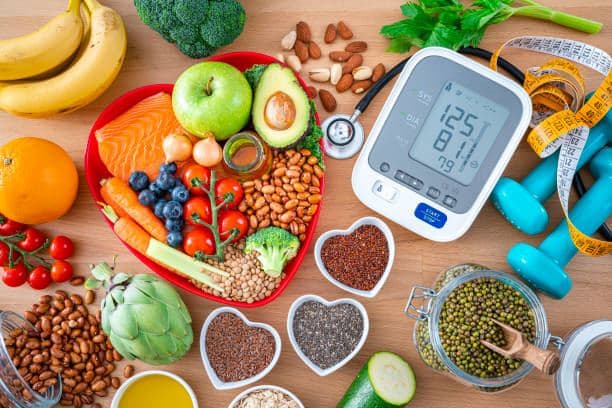
People often ask which way of eating does most for the heart. The most convincing answer is a pattern broadly inspired by the Mediterranean diet. Plenty of vegetables, healthy fats like olive oil and nuts, fish a few times a week, beans and pulses, and whole grains rather than refined ones. There is no need to be rigid about it. The point isn't to follow a perfect plan. The point is to eat well most of the time, consistently, over years and decades.
That sounds simple, but it matters. The Mediterranean diet is one of the most studied eating patterns in the world, and the evidence behind it for heart disease prevention is genuinely strong. Large clinical trials have shown that following a Mediterranean-style diet can meaningfully lower the risk of heart attacks, strokes, and cardiovascular death. It is also an approach many people find they can sustain over the long term, and sustained change is what moves the needle on heart health.
What the Mediterranean Diet Actually Is
There's a lot of confusion about what counts as Mediterranean eating. It isn't a strict set of rules and it isn't a fad. It's the traditional way of eating in countries around the Mediterranean Sea, and it's built around a few core principles.
The foundation is plant-based food. That means vegetables, fruits, whole grains like wholemeal bread, brown rice, oats and bulgur wheat, plus beans, lentils, chickpeas, nuts and seeds. These appear in most meals.
The main fat is extra virgin olive oil. It replaces butter, margarine and most other cooking oils. Healthy fats from oily fish like salmon, sardines and mackerel, along with nuts and avocados, also feature regularly.
Fish and seafood are eaten a few times a week. Poultry, eggs and dairy (particularly fermented dairy like yoghurt and cheese) appear in moderation. Red meat is occasional rather than daily, and processed meats are kept to a minimum.
Meals are flavoured with herbs, spices, garlic and lemon rather than excessive salt. Water is the main drink. Where alcohol is consumed, it's typically a small amount of red wine with food, though alcohol isn't necessary for any of the health benefits.
Why It's So Good for Your Heart
The Mediterranean diet works on the heart through several different mechanisms at the same time, which is part of why the evidence is so consistent.
It improves your cholesterol profile. The healthy fats from olive oil and oily fish raise HDL (the "good" cholesterol) and help lower LDL (the "bad" cholesterol that drives plaque build-up in the arteries). The fibre from whole grains, beans and vegetables also helps remove cholesterol from the body.
It lowers blood pressure. Diets high in vegetables, whole grains and unsaturated fats, and low in salt and processed foods, consistently improve blood pressure readings. This matters because high blood pressure is one of the biggest risk factors for heart attacks and strokes worldwide.
It reduces inflammation. Chronic low-grade inflammation is increasingly recognised as a driver of cardiovascular disease, and the antioxidants in vegetables, fruits, olive oil and nuts have a clear anti-inflammatory effect.
It helps with blood sugar control. The combination of fibre, healthy fats and slow-release carbohydrates helps stabilise blood glucose, which lowers the risk of type 2 diabetes, itself a major driver of heart disease.
And it supports a healthy weight. Mediterranean eating tends to be naturally filling because of the fibre and healthy fats, which makes it easier to maintain a healthy weight without feeling deprived. It is one of the most underappreciated benefits of eating this way.
What the Evidence Shows
The landmark study most cardiologists refer to is the PREDIMED trial, which followed thousands of people at high cardiovascular risk and found that those on a Mediterranean diet supplemented with either extra virgin olive oil or nuts had a roughly 30 per cent lower risk of major cardiovascular events compared with a low-fat control diet. That's a substantial reduction, and it's been supported by many other studies looking at different populations.
Dietary patterns tend to work better than individual nutrient targets, because they are easier to follow and the foods work together rather than in isolation. It is perfectly possible to know your cholesterol numbers and your saturated fat targets and still find it hard to put a meal together. The Mediterranean diet works the other way around. You focus on the foods, and the numbers tend to follow.
How to Move Towards a Mediterranean Way of Eating
You don't need to overhaul everything overnight. Small, consistent changes are far more effective than dramatic overhauls that last a fortnight before falling apart. Consistency matters more than perfection.
A few practical starting points:
Make vegetables the largest part of most meals. Aim for half your plate to be vegetables or salad at lunch and dinner. This single change does more than almost anything else.
Swap your cooking oil to extra virgin olive oil. Use it for dressings, drizzling and most cooking. It's the single most consistent ingredient across Mediterranean cuisines.
Eat oily fish twice a week. Salmon, mackerel, sardines, trout and herring are all excellent. Tinned versions count and are very affordable.
Use beans, lentils and pulses two or three times a week. A simple lentil stew, a chickpea salad or beans on wholemeal toast are easy weeknight meals. They're cheap, filling and excellent for the heart.
Switch to wholegrain versions of bread, pasta and rice. The fibre content is much higher and the effect on blood sugar is gentler.
Reach for nuts and fruit instead of biscuits or crisps for snacks. A small handful of unsalted nuts most days has consistently been linked with better heart health.
Cut down on processed foods and ultra-processed snacks. This is where most of the salt, sugar and refined oils hide. You don't need to eliminate them, but the less they feature, the better.
Don't skip meals. Surviving on caffeine alone might feel productive, but it spikes your adrenaline and blood pressure. A proper breakfast and a real lunch make a meaningful difference.
The Common Mistakes to Avoid
The Mediterranean diet has become fashionable, which means it's also been distorted. A few things to watch out for.
It isn't a licence to drown food in oil. Extra virgin olive oil is wonderful, but it's still calorie-dense, and the benefits come from quality and moderation, not from quantity.
It isn't all about pasta and bread. Refined white pasta and white bread, even with a Mediterranean label on the packet, don't deliver the same benefit as wholegrain alternatives.
Cheese and red wine aren't health foods. They feature in moderation in traditional Mediterranean eating, but nobody should start drinking for the sake of their heart. The risks of regular alcohol consumption clearly outweigh any cardiovascular benefit.
And it isn't a quick fix. The Mediterranean diet tends to work better than restrictive short-term diets because it is something you can genuinely live with for years. Going from a typical Western diet to perfect Mediterranean eating in a single week rarely lasts. Changing one or two things at a time, and letting each new habit settle before adding another, is the approach that holds.
Cultural Cooking, Cultural Habits
The principles of Mediterranean eating translate well into many other cuisines, which matters for anyone cooking in a South Asian, Middle Eastern or African Caribbean tradition. The core ideas (more vegetables, healthy fats, less processed food, less salt, fewer ultra-refined carbohydrates) work whether you're cooking a Punjabi dal, a Lebanese mezze, a Caribbean fish stew or a classic Italian pasta dish.
Cooking habits are worth attention too. Reusing oil, particularly ghee or vegetable oils, isn't ideal. Heavy use of frying every day adds up. Making rich dishes a treat rather than the daily default, and leaning more on grilled, baked, steamed and lightly sautéed foods, makes a real difference over years.
The Bigger Picture
Diet is one of the strongest levers we have for cardiovascular disease prevention, but it doesn't sit in isolation. Good eating works best paired with regular movement (a 20-minute walk in fresh air every day is a brilliant starting point), decent sleep, and proper attention to stress. Managing stress is just as important as what you eat or how much you move. The combination is what genuinely lowers risk over a lifetime.
It's also worth knowing your numbers. Blood pressure, cholesterol, blood sugar and waist circumference are all worth keeping an eye on through adult life, and your GP is the right place to start. Dietary changes tend to show up in those numbers over the months that follow, which is often the most motivating part of making them.
Conclusion
The Mediterranean diet isn't a miracle cure and it isn't a strict prescription. It's a flexible, evidence-backed, genuinely enjoyable way of eating that has been shown over and over again to lower the risk of heart disease, stroke and premature death. What I love about it as a cardiologist is that it's something people can actually live with for the long term, which is the only kind of dietary change that really matters.
Start with one or two changes, build them into habits, and let the rest follow. Small, consistent steps make huge differences over the years, and your heart will thank you for it.
If you'd like to talk through your own cardiovascular risk, review your cholesterol or blood pressure, or get a personalised plan that fits your lifestyle, you can contact me, Dr Roy Jogiya, at Kingston Cardiologist to arrange a private consultation across Kingston-upon-Thames, Wimbledon, or central London. Appointments are available in person and virtually, and investigations can often be coordinated alongside or following consultation.