
Prevention
How stress affects your heart and why managing it matters as much as diet
How stress affects your heart explained. Learn the impact on blood pressure, heart rhythm and practical ways to manage it.
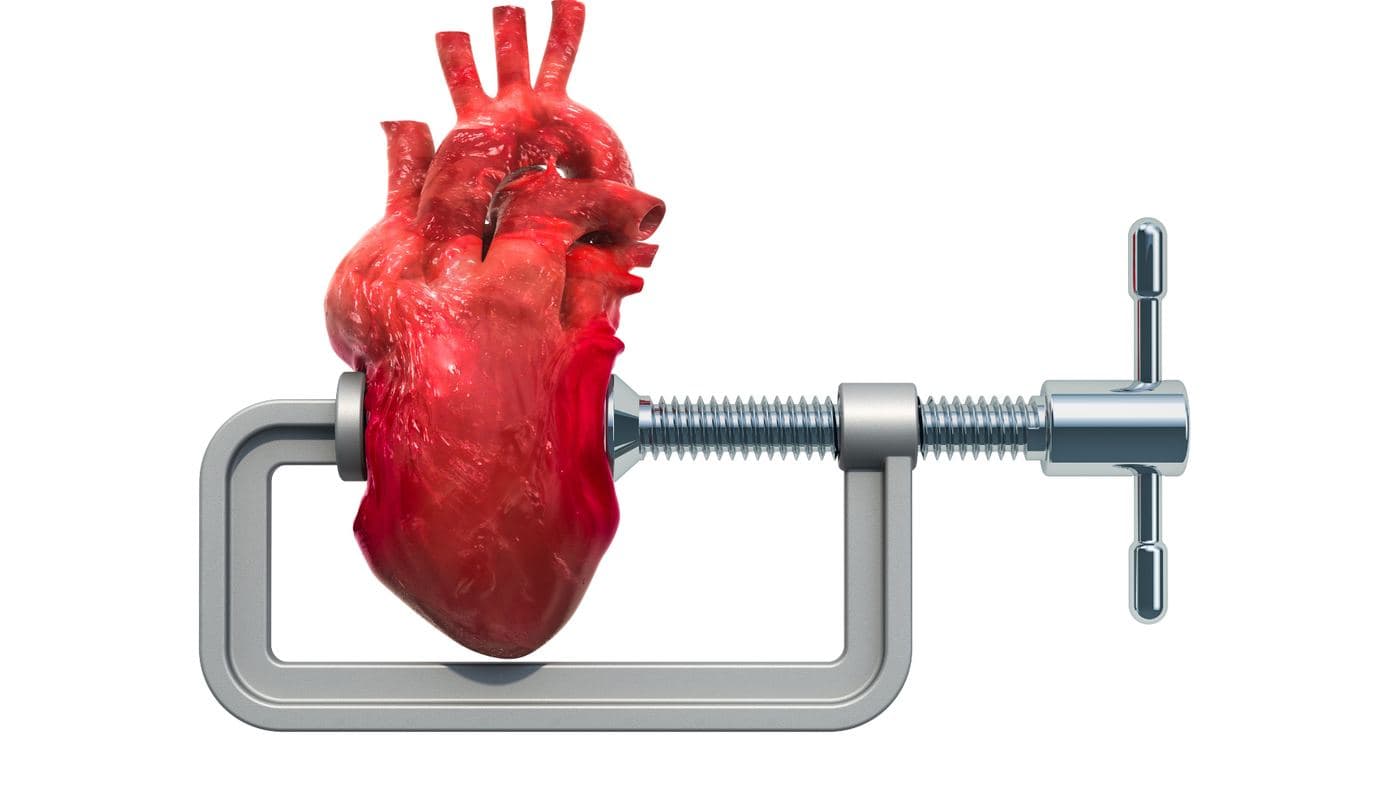
Ask what really drives heart disease and most people think of diet, cholesterol or exercise. Those are important, but stress affects your heart too, and its effect is easy to underestimate.
Ongoing, unmanaged stress is a common thread running through symptoms such as high blood pressure, palpitations and unexplained fatigue. Addressing it is worthwhile in its own right, and it supports blood pressure, sleep and general energy levels rather than only the symptom that prompted the appointment.
What Happens to the Heart During Stress
Stress is not just a mental experience. It produces a clear physical response.
When you are under pressure, your body releases stress hormones such as adrenaline and cortisol. These are designed to prepare you for action, but they also place increased demand on the heart.
As a result:
Heart rate rises
Blood pressure increases
Blood vessels tighten
The heart works harder to circulate blood
In the short term, this response is normal. It becomes a problem when stress is persistent and the body never fully returns to a resting state.
The Long-Term Impact of Stress on the Heart
Chronic stress affects the cardiovascular system in several important ways.
High Blood Pressure
Stress and raised blood pressure are closely linked.
Sustained stress can keep readings elevated even where diet, weight and activity are otherwise reasonable, which is one reason blood pressure is worth reviewing alongside the pressures of daily life.
Heart Rhythm Disturbances
Stress can also affect the heart’s electrical system.
Palpitations are common, and the NHS describes them as not usually a sign of anything serious, with stress and anxiety, lack of sleep, caffeine, alcohol and nicotine among the recognised triggers. They still warrant assessment, because a heart rhythm problem needs to be ruled out rather than assumed absent.
Increased Cardiovascular Risk
Over time, stress contributes to inflammation and unhealthy coping behaviours.
People under sustained stress often sleep less, exercise less, and rely more on convenience foods or alcohol. These factors combine to increase the risk of coronary artery disease.
Stress-Related Cardiac Conditions
In more extreme cases, severe emotional stress can lead to stress cardiomyopathy, where the heart muscle temporarily weakens.
Although uncommon, it demonstrates clearly how directly stress affects your heart.
Why Managing Stress Matters as Much as Diet
There is often a strong focus on diet in heart health discussions, which is entirely appropriate.
However, stress influences several systems at once, including blood pressure, sleep, heart rhythm and daily habits, so managing it adds something that changing diet alone does not.
It is common for diet to be tackled while ongoing stress is left unaddressed, and the results can then be disappointing.
Addressing both together is more likely to lead to a change that lasts.
Recognising When Stress Is Affecting Your Heart
The effects of stress are often subtle and easy to overlook.
Common signs include:
Persistent fatigue
Palpitations or awareness of your heartbeat
Shortness of breath during periods of pressure
Chest tightness without a clear physical cause
Poor sleep
These symptoms are easily normalised and put down to a busy lifestyle, rather than recognised as something worth having checked.
A Real-World Perspective
Delay is common.
Symptoms are often tolerated for months on the assumption that they are simply part of daily life. By then, sustained stress may already be affecting blood pressure, sleep and general wellbeing.
Acting early is preferable to waiting for symptoms to escalate, because the effects of stress on blood pressure, sleep and daily habits are easier to unpick before they become entrenched.
Simple changes such as daily walking, a more settled routine and better sleep are a reasonable place to start, and they support blood pressure and general wellbeing as well as stress itself.
Practical Ways to Manage Stress and Support Your Heart
Managing stress does not require drastic changes. In fact, simple, consistent habits tend to be the most effective.
Daily Movement
Regular physical activity helps reduce stress hormones and supports cardiovascular function.
A consistent 20-minute walk is easier to maintain over the long term than occasional intense exercise, and that is what makes it effective.
Structured Routine
A predictable daily routine helps regulate sleep and reduce mental overload.
An irregular schedule makes both sleep and stress harder to manage.
Sleep Protection
Sleep plays a central role in heart health.
Poor sleep is associated with higher blood pressure and greater cardiovascular risk, so protecting sleep is part of managing stress rather than separate from it.
Reducing Stimulants
Excess caffeine and alcohol can amplify the physical effects of stress.
Reducing intake often leads to improvements in both sleep and heart rhythm.
Time Away from Screens
Constant digital stimulation contributes to ongoing stress.
Simple steps such as limiting screen use in the evening can have a noticeable impact.
When to Seek Medical Advice
While stress is common, it is important not to assume that all symptoms are stress-related. Call 999 if you have sudden chest pain or discomfort that does not go away, pain spreading to your arm, neck, jaw, stomach or back, chest pain with sweating, sickness, light-headedness or breathlessness, palpitations that are happening now and do not go away, or if you faint or lose consciousness. Do not wait for an appointment.
You should seek advice if you experience:
Persistent palpitations
Ongoing chest discomfort
Unexplained fatigue
Concerns about blood pressure
If your symptoms are new, getting worse or happening more often, contact your GP surgery for an urgent appointment or call 111 the same day rather than waiting. Where symptoms are settled and long standing, an assessment often provides reassurance, and where a heart condition is present it allows for earlier and more effective treatment.
Conclusion
The way stress affects your heart is often underestimated. It can influence blood pressure, heart rhythm and long-term cardiovascular risk, and it deserves the same attention as diet or physical activity.
Managing stress alongside improving diet gives more consistent and lasting results than addressing either in isolation.
If you are experiencing symptoms that may be related to stress or would like a clearer understanding of your cardiovascular health, you can contact Roy Jogiya at Kingston Cardiologist to arrange a consultation and discuss the most appropriate approach for your individual situation.