
Conditions
What are the most common heart conditions?
Common heart conditions explained including coronary artery disease, arrhythmias and heart failure symptoms and risk.
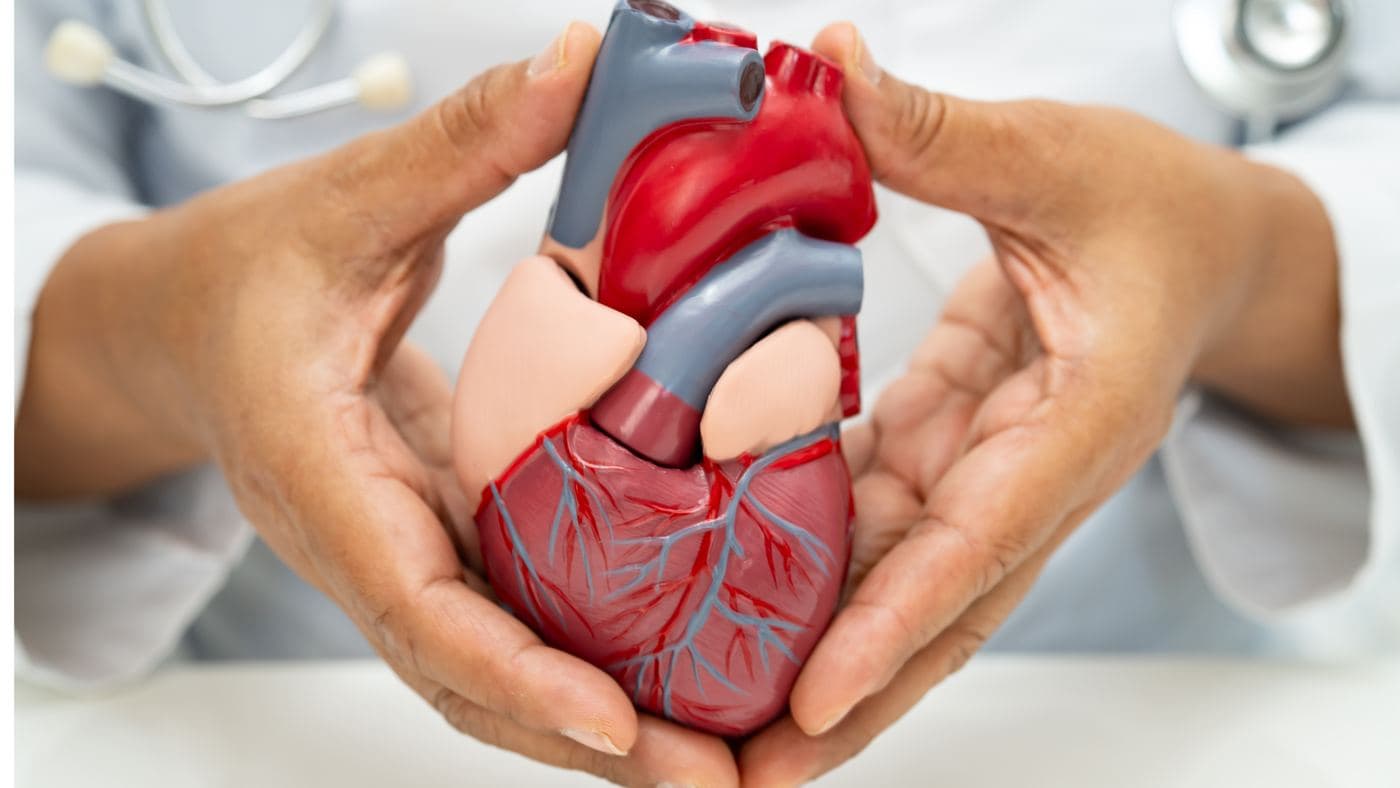
When people think about heart disease, they often imagine a single condition. In reality, the heart can be affected by a wide range of problems, each involving different parts of the cardiovascular system.
Understanding the common heart conditions that affect patients today can help people recognise symptoms earlier and take meaningful steps to protect their heart health.
One of the most encouraging aspects of modern cardiology is that many heart conditions are manageable, particularly when they are detected early. Prevention, awareness, and consistent lifestyle habits all play a major role in reducing long-term risk.
Why Heart Conditions Develop
The heart works continuously throughout our lives, pumping blood and oxygen to every part of the body. Over time, various factors can affect how well it performs this role.
Many common heart conditions develop gradually. Factors such as high blood pressure, raised cholesterol, stress, smoking, and physical inactivity can slowly damage the blood vessels or affect the heart’s rhythm and structure.
Genetics also play a role. Some people inherit a greater susceptibility to certain cardiovascular problems, particularly if close family members experienced heart disease at a younger age.
The important point is that many of these risk factors can be managed. Early awareness allows doctors and patients to work together to reduce the likelihood of complications.
Coronary Artery Disease
One of the most widely recognised common heart conditions is coronary artery disease,-Coronary%20Artery).
This condition occurs when the coronary arteries, which supply blood to the heart muscle, become narrowed by fatty deposits known as plaque.
As these plaques build up over time, blood flow to the heart may become restricted. This can lead to symptoms such as chest discomfort, breathlessness during activity, or fatigue.
In more serious situations, a sudden blockage can cause a heart attack. Sudden chest pain that does not go away, or pain that spreads to the arm, neck, jaw, stomach or back, needs emergency assessment. Call 999 straight away rather than waiting for an appointment.
Coronary artery disease often develops slowly over many years. Managing cholesterol, blood pressure, and lifestyle habits plays a major role in preventing progression.
Heart Rhythm Disorders (Arrhythmias)
Another group among the common heart conditions involves disturbances in the heart’s electrical system.
These conditions are known as arrhythmias,-Atrial%20Arrhythmias). They occur when the electrical signals that control the heartbeat become irregular.
Some arrhythmias cause the heart to beat too quickly, while others result in a slower rhythm.
Symptoms may include:
Fatigue
Episodes of fainting
Many arrhythmias are manageable with medication, monitoring, or specialised treatments such as catheter procedures or pacemakers.
With advances in digital health technology, we are increasingly able to detect abnormal rhythms earlier than ever before.
Heart Failure
Despite the name, heart failure does not mean the heart has stopped working. Instead, it describes a condition where the heart becomes less efficient at pumping blood around the body.
Among the common heart conditions, heart failure is often linked to long-standing issues such as high blood pressure, coronary artery disease, or previous heart attacks.
When the heart muscle weakens, fluid can build up in the lungs or other parts of the body.
Symptoms may include:
Swelling in the legs or ankles
Persistent fatigue
Reduced ability to exercise
Modern treatment approaches have significantly improved outcomes for people living with heart failure, particularly when the condition is diagnosed early.
Heart Valve Disease
The heart contains four valves that ensure blood flows in the correct direction as it moves through the chambers of the heart.
When one of these valves becomes narrowed or leaky, it can disrupt normal circulation.
Valve problems are another category of common heart conditions seen in cardiology clinics. They may develop due to ageing, infections, or inherited structural abnormalities.
Some people experience symptoms such as breathlessness or fatigue, while others may have no noticeable symptoms initially.
Advances in imaging and minimally invasive procedures have made it possible to treat many valve conditions effectively.
Congenital Heart Conditions
Congenital heart conditions are structural abnormalities that are present from birth.
These conditions vary widely in severity. Some are detected in childhood, while others may not be identified until adulthood.
Although congenital conditions represent a smaller proportion of common heart conditions, they are an important area of cardiology care.
Many people with congenital heart defects live long and healthy lives with appropriate monitoring and treatment.
The Role of Lifestyle in Heart Health
While medical treatments are essential for managing common heart conditions, daily habits remain one of the most powerful influences on cardiovascular health.
The heart responds positively to consistent lifestyle choices.
Several habits can help reduce the risk of developing heart disease:
Regular Physical Activity
Exercise strengthens the heart muscle and supports healthy blood circulation.
Simple, sustainable routines tend to be more useful than extreme exercise programmes. A daily walk in the fresh air can make a meaningful difference over time.
The British Heart Foundation guidance on physical activity explains how regular exercise supports cardiovascular health.
Balanced Nutrition
Nutrition plays a central role in maintaining healthy cholesterol levels and supporting cardiovascular wellbeing.
Many people benefit from a Mediterranean diet, with plenty of vegetables, whole grains, healthy fats, and lean sources of protein.
The goal is not perfection but long-term consistency.
Stress Management
Stress is frequently overlooked as a cardiovascular risk factor.
Chronic stress can increase blood pressure, disturb sleep, and encourage unhealthy coping behaviours. Managing stress is just as important as diet or exercise when protecting the heart.
The British Heart Foundation guide to stress and heart health explains how stress affects the cardiovascular system.
Prioritising rest, time outdoors, and meaningful social connections can all support heart health.
Regular Health Checks
Routine monitoring helps detect potential problems before they progress.
Blood pressure measurements, cholesterol testing, and heart rhythm assessments allow clinicians to identify risk factors early and guide appropriate treatment.
Preventative care is one of the most powerful tools we have in cardiology.
Why Early Awareness Matters
Heart disease is often assumed to be something that appears suddenly and without warning.
In reality, most common heart conditions develop gradually over many years. This means there is a significant opportunity to intervene early.
Small daily habits can have a powerful effect on long-term cardiovascular health. Consistency over time matters far more than occasional bursts of effort.
Routines that are sustainable, and that support both physical and mental wellbeing, are the ones most likely to last.
Conclusion
Understanding the common heart conditions that affect the cardiovascular system can help people recognise symptoms earlier and take proactive steps to protect their heart health.
Conditions such as coronary artery disease, arrhythmias, heart failure, valve disease, and congenital heart abnormalities each affect the heart in different ways. However, many of these conditions can be managed effectively when identified early.
Simple habits such as regular exercise, balanced nutrition, stress management, and routine health checks can significantly reduce cardiovascular risk.
If you have sudden chest pain that does not go away, sudden severe breathlessness, or someone collapses and cannot be woken, call 999. If symptoms are new or getting worse but are not an emergency, contact your GP or call 111. If you would like a specialist opinion alongside your NHS care, or personalised advice about preventing common heart conditions, contact me to arrange a consultation.