
Tests
What happens during a cardiac stress test
A cardiac stress test measures how the heart responds to exercise and helps detect reduced blood flow or rhythm changes.
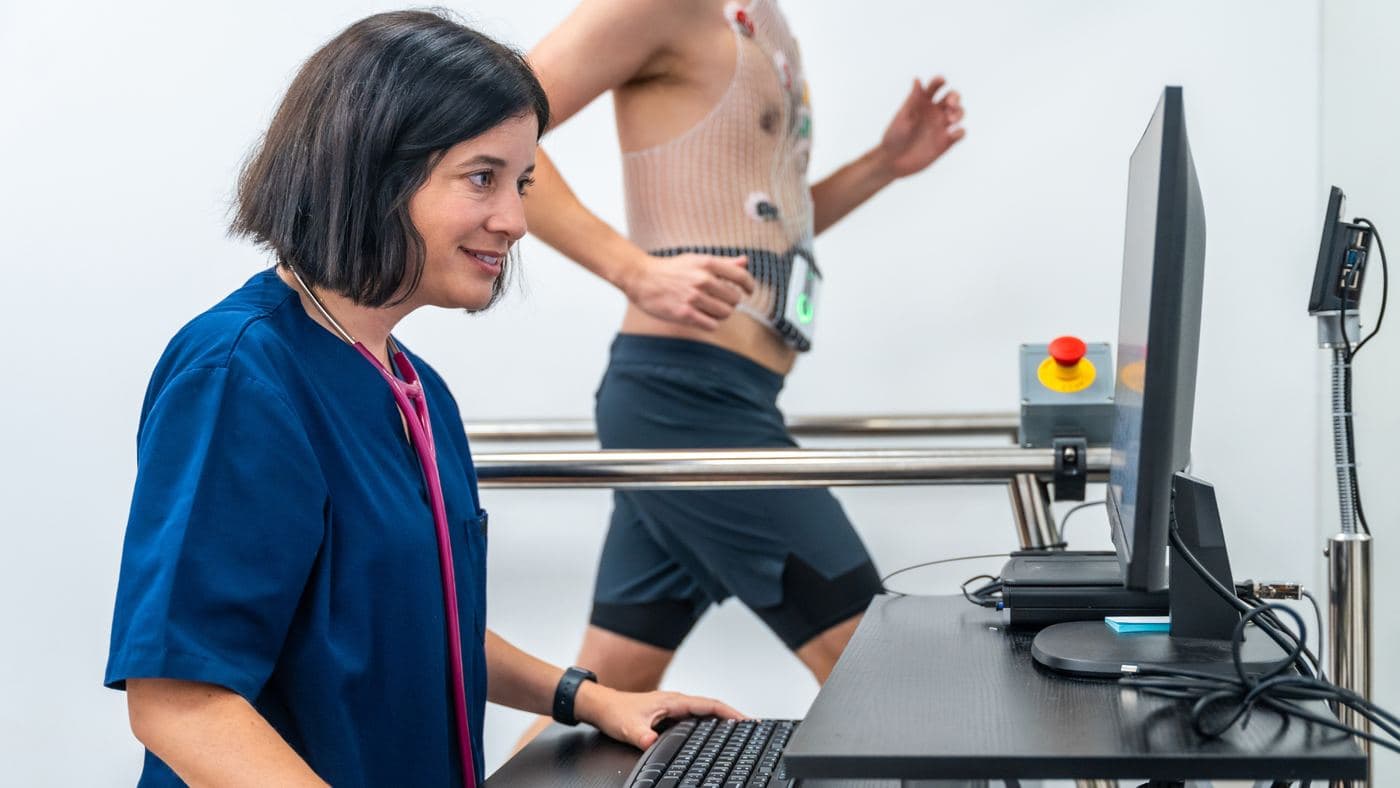
When patients hear the phrase cardiac stress test, they often imagine something demanding or uncomfortable. In reality, the test is carefully controlled and designed to help us understand how your heart performs during physical activity.
Your heart works harder whenever you exercise. A cardiac stress test allows doctors to observe how the heart responds when it needs to pump faster and deliver more oxygen to the body.
This information can reveal issues that may not appear when the body is at rest. In many cases, it helps us diagnose problems earlier and guide the most appropriate treatment.
Why a Cardiac Stress Test Is Performed
Many heart conditions only become noticeable when the heart is under physical demand. During exercise, the heart rate increases, blood pressure rises, and the heart muscle requires more oxygen.
If there is a restriction in blood flow to the heart, symptoms or changes in heart activity may appear during this period of increased workload.
A cardiac stress test is commonly recommended when someone experiences symptoms such as:
Shortness of breath during exertion
Dizziness with activity
Sudden chest pain that does not go away, or breathlessness that comes on suddenly and severely, needs emergency assessment, so call 999 rather than waiting for a test. Where symptoms are stable enough to investigate, a stress test may also be used to assess cardiovascular fitness, evaluate the effectiveness of treatment, or investigate suspected coronary artery disease.
By observing the heart during exercise, clinicians gain valuable insight into how well the cardiovascular system is functioning.
Preparing for a Cardiac Stress Test
Preparation for a cardiac stress test is usually straightforward.
Patients are typically advised to wear comfortable clothing and supportive footwear suitable for walking on a treadmill. In most cases, it is best to avoid heavy meals immediately before the appointment.
Your doctor may provide guidance about medications beforehand, as certain drugs can influence heart rate during the test.
Before the exercise begins, a healthcare professional will review your medical history, measure your blood pressure, and explain the procedure so you know exactly what to expect.
One of the priorities during the test is patient safety and comfort. The process is closely monitored throughout.
What Happens Before the Exercise Begins
Before the cardiac stress test starts, several small sensors known as electrodes are placed on the chest.
These electrodes are connected to an electrocardiogram (ECG) monitor, which records the heart’s electrical activity throughout the test.
This allows clinicians to observe how the heart rhythm and electrical signals change as physical exertion increases.
A blood pressure cuff is also placed on the arm so that blood pressure can be checked regularly during the procedure.
At this stage, a resting ECG is recorded while you are standing or lying down. This provides a baseline measurement before exercise begins.
The Exercise Phase
Once the baseline measurements are complete, the exercise portion of the cardiac stress test begins.
Most commonly, this involves walking on a treadmill. The treadmill starts at a slow pace, allowing you to become comfortable with the movement.
Every few minutes, the speed and incline gradually increase. This progressive approach allows the heart to work harder in controlled stages.
During this time, your heart rhythm, blood pressure, and symptoms are monitored continuously.
Patients are encouraged to continue exercising for as long as they feel able. The goal is to raise the heart rate enough for the heart to be properly assessed under stress.
However, the test can be stopped at any time if you feel uncomfortable or if the medical team identifies any concerning changes.
How Long the Test Lasts
The active exercise portion of a cardiac stress test usually lasts between six and 12 minutes, depending on the individual’s fitness level and the purpose of the test.
After exercise stops, monitoring continues for several minutes while the heart rate gradually returns to normal.
This recovery phase is important because certain heart rhythm changes can appear shortly after exercise rather than during it.
In total, the entire appointment often takes around 30 minutes.
What the Results Can Show
A cardiac stress test provides valuable information about how the heart responds to physical demand.
When reviewing the results, clinicians examine several aspects of heart function, including:
Heart rate response during exercise
Blood pressure changes
Heart rhythm patterns
Electrical signals on the ECG
Symptoms experienced during activity
If the heart muscle is not receiving enough blood during exercise, this may appear as characteristic changes on the ECG trace.
These findings can suggest narrowing of the coronary arteries, which may require further investigation.
In some situations, the results may also reveal abnormal heart rhythms triggered by physical exertion.
When Additional Testing Is Needed
Although the cardiac stress test is extremely useful, it sometimes forms just one part of a broader cardiovascular assessment.
If the results suggest reduced blood flow to the heart, additional imaging tests may be recommended. These could include stress echocardiography, cardiac CT scans, or other specialised investigations.
The goal is always to gain a complete understanding of heart health so that the most appropriate treatment plan can be developed.
For many patients, however, the stress test provides reassuring evidence that the heart is functioning well.
Safety and Monitoring
Patient safety is always the priority during a cardiac stress test.
The test is performed under the supervision of trained healthcare professionals who monitor heart activity and blood pressure continuously.
The equipment used allows the team to detect any unusual changes immediately.
Because the exercise intensity increases gradually, the body has time to adjust to the physical effort. The test is stopped at any point if you feel uncomfortable or if the medical team identifies any concerning changes.
Patients are always encouraged to speak up if they feel uncomfortable or experience symptoms during the test.
Why Exercise Testing Is Useful
A cardiac stress test provides a useful window into how the heart behaves in everyday life.
Many symptoms only appear when we climb stairs, walk briskly, or carry out physical activity. Observing the heart during exercise allows us to replicate these situations in a safe clinical environment.
From a cardiologist’s perspective, this information can be incredibly valuable. It helps identify hidden problems, guides treatment decisions, and often provides reassurance when the heart responds normally to exertion.
Supporting Your Heart Beyond Testing
While diagnostic tests are important, long-term heart health is shaped by daily habits.
Consistent physical activity, balanced nutrition, good sleep, and effective stress management all play a role in protecting the cardiovascular system.
The heart responds best to steady, sustainable habits rather than extreme changes.
Simple routines, such as regular walking in the fresh air and maintaining healthy lifestyle patterns, can significantly lower cardiovascular risk over time.
Conclusion
A cardiac stress test is a safe and informative way to evaluate how your heart performs during physical activity. By monitoring heart rhythm, blood pressure, and symptoms during exercise, doctors can detect potential problems that may not appear at rest.
For many patients, the test offers reassurance that their heart is functioning normally. In other cases, it helps guide further investigation and treatment when needed.
If chest pain comes on suddenly and does not go away, or breathlessness comes on suddenly and severely, call 999. Symptoms that are new or getting worse but are not an emergency should be discussed with your GP or 111. If you have been advised to undergo a cardiac stress test, or you would like a specialist opinion alongside your NHS care about chest discomfort or breathlessness with activity, contact me to arrange an assessment.
Keep reading