
Tests
What is a Coronary Angiogram?
Learn what a coronary angiogram involves, why it is performed, what recovery looks like, and how it helps diagnose coronary artery disease
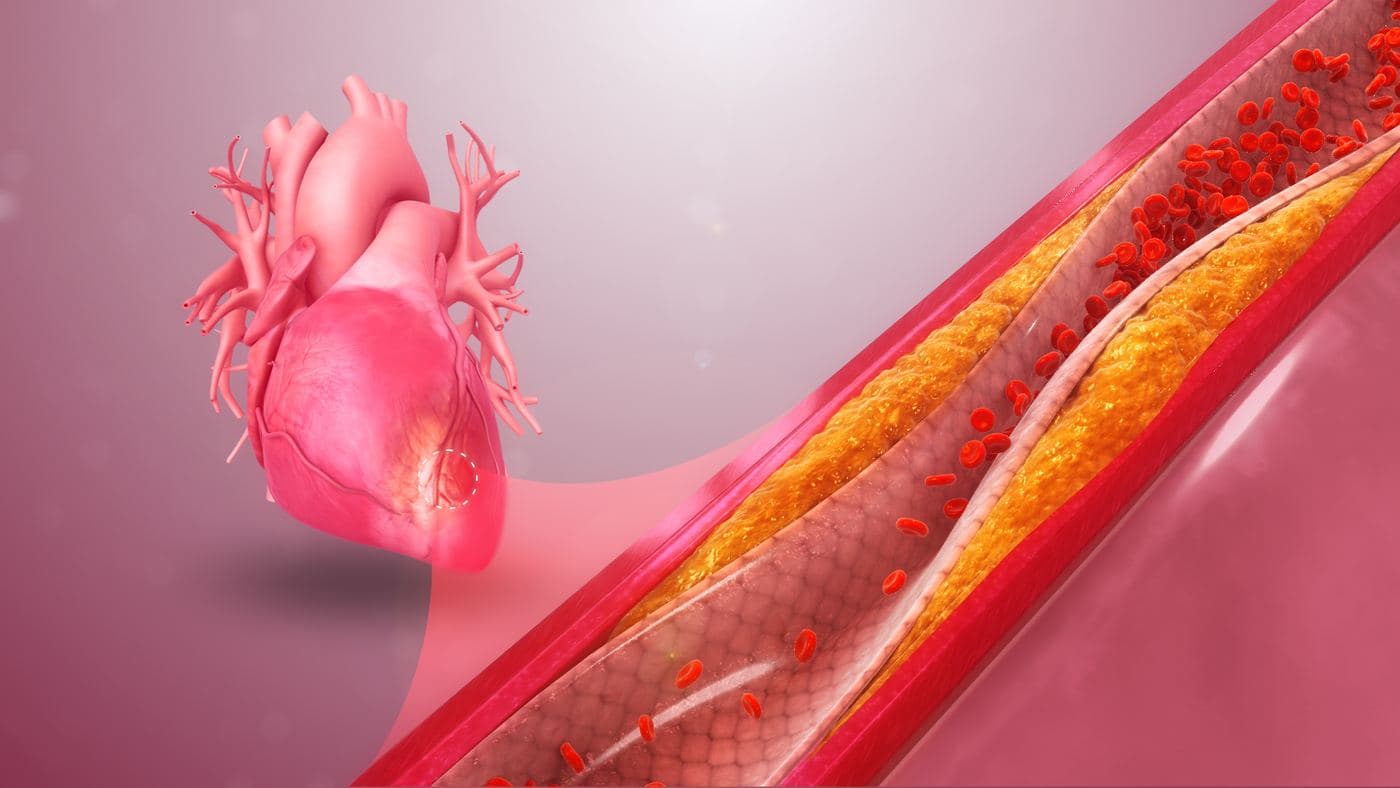
Chest discomfort or breathlessness often leads to a conversation about a coronary angiogram, and one of the most common questions is what the test actually involves. It sounds technical, but the idea behind it is genuinely simple. A coronary angiogram is a specialist test that lets us see inside the arteries that supply your heart muscle with oxygen. We pass a thin, flexible tube called a catheter through a small puncture in your wrist (or sometimes your groin), guide it gently up to the heart, and inject a small amount of dye. Live X-ray images then show exactly how blood is flowing through each artery, and any narrowing or blockage shows up clearly on the screen.
In short, it's the most accurate test we have for diagnosing coronary artery disease, and if a problem is found it can often be treated in the same sitting. A coronary angiogram is the investigation used when non-invasive tests have raised real concern. That usually means persistent chest pain, an abnormal stress test, suspected angina, or follow-up after a heart attack. It isn't a first-line test. But when it's needed, nothing else gives us the same level of clarity.
Why You Might Need a Coronary Angiogram
Your coronary arteries are small, only a few millimetres wide. Over years, they can narrow slowly through a process called atherosclerosis, where fatty plaque builds up on the artery walls. As that narrowing progresses, the heart muscle can start to struggle for blood, particularly during exertion. The classic warning signs are chest pressure or tightness that gets worse when you move and eases when you rest. Sometimes you might also notice breathlessness, jaw or arm discomfort, or unusual fatigue.
The decision to recommend an angiogram almost never comes down to a single symptom. It comes from a pattern. A typical pathway starts with an ECG, blood tests, an echocardiogram, and often a stress test or CT coronary angiogram. If those results raise enough concern, an invasive angiogram is the most reliable way to confirm what's actually happening inside the arteries and plan the right treatment.
What Happens on the Day
A coronary angiogram is performed in a specialist room called a cardiac catheterisation laboratory, or cath lab. You'll be awake throughout, but we numb the access site with local anaesthetic and offer light sedation if you'd find it more comfortable. The vast majority of angiograms today are performed through the radial artery in the wrist rather than the femoral artery in the groin. The radial approach is preferred because it carries a lower risk of bleeding and recovery is quicker, with patients usually able to sit up and walk soon afterwards and, for a straightforward diagnostic test, go home a few hours later. Recovery is also more comfortable, particularly for older patients who find lying flat for hours difficult.
Once the catheter is in place, it is guided gently to the heart, the contrast dye is injected, and a series of short X-ray runs is taken from different angles. The whole procedure usually takes 20 to 40 minutes. You may feel a brief warm flush as the dye is injected. That's completely normal and passes within seconds. If a significant blockage is found, it may be possible to treat it in the same sitting with a procedure called percutaneous coronary intervention, where the artery is opened with a balloon and, in most cases, a small mesh stent is inserted to keep it open. Combining diagnosis and treatment in one visit spares a second procedure and shortens overall recovery.
What the Risks Actually Are
Coronary angiography is a well-established procedure with a very strong safety record. The NHS describes it as generally safe, with a very small risk of more serious complications such as an allergic reaction to the contrast agent, a stroke or a heart attack. Kidney injury from the contrast dye is also recognised, particularly where kidney function is already reduced. More common, minor effects include bruising at the puncture site, a small haematoma, or a brief metallic taste from the dye. If you have pre-existing kidney problems, diabetes, or any history of contrast allergy, we screen carefully beforehand and adjust the approach to keep risk to a minimum.
Most patients are monitored for a few hours afterwards and are usually able to go home the same day. A common question is when normal life can resume, and the answer depends on whether anything was treated as well as looked at, so your team will tell you when it is safe to drive and to return to normal activity. After a straightforward diagnostic angiogram with no intervention, most people are back to desk-based work and light exercise once the puncture site has settled. If a stent has been placed, the NHS advises avoiding heavy lifting, strenuous activity and driving for at least a week, and you'll be started on blood-thinning medication (usually aspirin plus one other agent) for a period we'll discuss based on your individual risk.
How It Compares to a CT Coronary Angiogram
Patients often ask whether a CT coronary angiogram, which uses a CT scanner and a dye injection in the arm, could be done instead. The honest answer is that the two tests have different jobs. CT angiography is excellent for ruling out significant coronary disease in patients at lower or intermediate risk, and current national guidance recommends it as a first-line test for stable chest pain in many cases. An invasive angiogram, by contrast, gives higher-resolution imaging, allows us to measure pressure inside the arteries, and lets us treat in the same sitting if needed.
The two tests work better as part of a pathway than as competitors. If the CT scan is clear, no further test is usually needed. If it shows significant or borderline narrowing, an invasive angiogram is the logical next step. Most people who go on to invasive angiography have already had an abnormal non-invasive test, so by the time they reach the cath lab there is usually a strong working diagnosis in place, and the angiogram is there to confirm, map, and treat.
When to See a Cardiologist
Chest pain that is severe, comes on suddenly or does not settle, along with sudden severe breathlessness or collapse, is a medical emergency. Call 999 straight away rather than waiting for an appointment. If your symptoms are milder but new or changing, such as chest discomfort that comes on with exertion, unexplained breathlessness, palpitations, or a gradual drop in your exercise tolerance, speak to your GP or call NHS 111 for advice. Symptoms like those deserve a proper cardiac assessment. Heart symptoms are rarely the dramatic, crushing chest pain seen on television. Much of the time it is a pressure, heaviness, tightness, or burning that people explain away as indigestion or stress for weeks before seeking help. The earlier symptoms are properly investigated, the more treatment options there tend to be.
A strong family history of heart disease, raised cholesterol, high blood pressure, diabetes, or a history of smoking all raise your baseline risk and lower the threshold for getting checked. A consultation begins with a thorough history and examination, and investigations such as an ECG, an echocardiogram and blood tests can often be coordinated alongside or following the consultation, with further imaging arranged only if the clinical picture warrants it.
Conclusion
A coronary angiogram is one of the most valuable tools we have in cardiology. Used at the right point in the pathway, it gives us a clear, accurate picture of what's happening inside the heart and lets us act on it straight away. The key is using it well: after the right preparation, alongside personalised treatment, and as part of a wider plan that addresses lifestyle, risk factors, and the whole person rather than just the test result.
If you've been advised to consider a coronary angiogram, are experiencing symptoms that concern you, or would simply like a second opinion on a recent test, you can contact me, Dr Roy Jogiya, at Kingston Cardiologist to arrange a private consultation across Kingston-upon-Thames, Wimbledon, or central London. Appointments are available in person and virtually, and referrals can be made through your GP or directly through the practice.
Keep reading