
Tests
What to expect from a CT coronary angiography scan
A CT coronary angiography scan uses advanced imaging to detect narrowing or blockages in the coronary arteries.
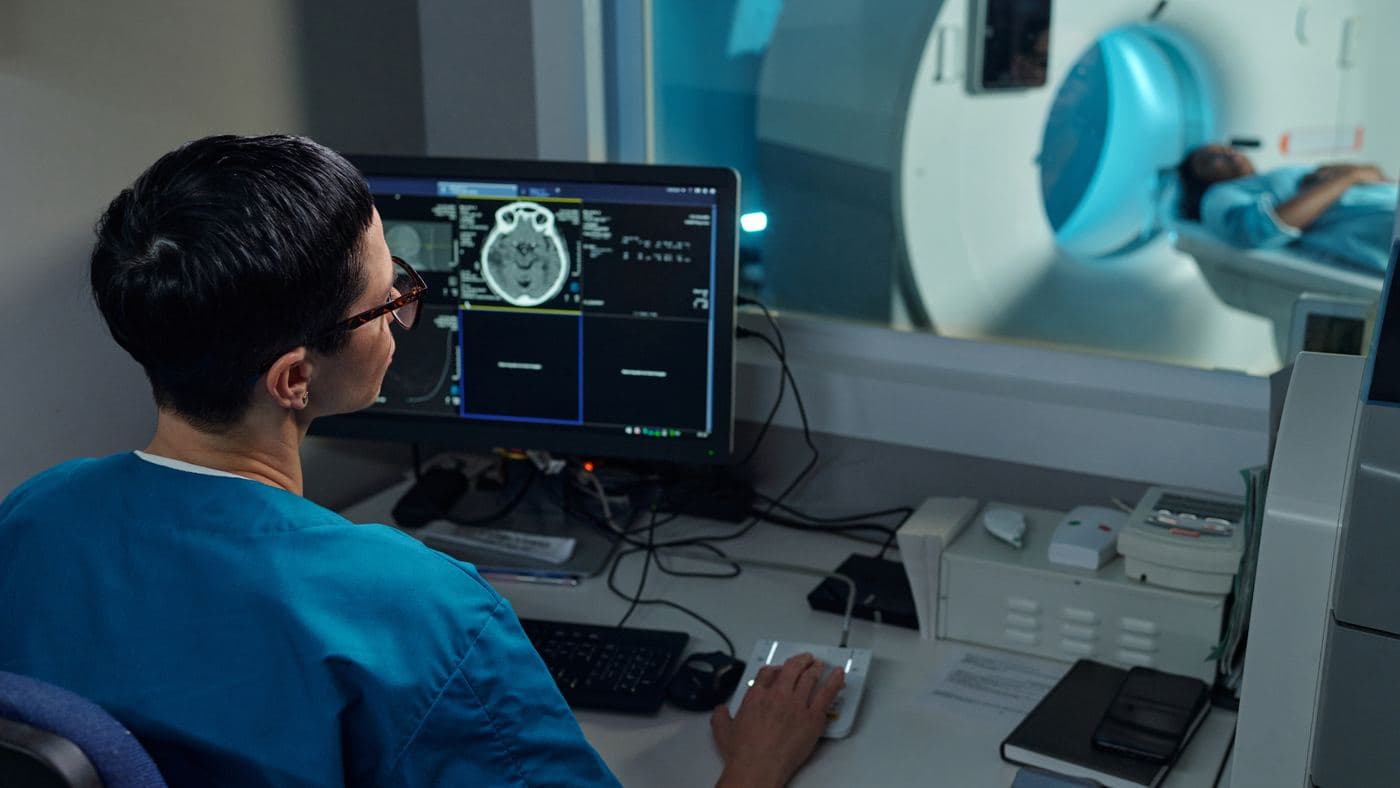
A common question before a CT coronary angiography scan is whether the test will be uncomfortable or complicated. The reassuring answer is that it is a straightforward and highly informative investigation that allows doctors to look closely at the arteries supplying blood to the heart.
Modern imaging technology has transformed the way we assess heart disease. A CT coronary angiography scan allows doctors to detect narrowing or blockages in the coronary arteries without the need for an invasive procedure. In many cases, it helps provide clear answers and guides the next steps in treatment.
Understanding what happens during the scan can make the experience far less daunting.
What a CT Coronary Angiography Scan Is
A CT coronary angiography scan is a specialised heart imaging test that uses computed tomography (CT) to produce detailed pictures of the coronary arteries.
The coronary arteries are the blood vessels that supply oxygen-rich blood to the heart muscle. When these arteries become narrowed by cholesterol deposits, blood flow can be reduced. This process, known as coronary artery disease, is one of the most common causes of chest pain and heart attacks.
During the scan, a contrast dye is injected into a vein. This dye makes the coronary arteries clearly visible on the CT images, allowing clinicians to identify areas where blood flow may be restricted.
The result is a highly detailed three-dimensional view of the heart’s blood vessels.
Why a CT Coronary Angiography Scan Is Performed
A CT coronary angiography scan is often recommended when someone experiences symptoms that could be related to reduced blood flow to the heart.
These symptoms may include:
Breathlessness during activity
Atypical chest pain
Sudden chest pain that does not go away, or pain spreading to the arm, neck, jaw, stomach or back, is a medical emergency and needs 999 rather than a scan appointment. Where symptoms are stable enough to investigate, the scan is also used when doctors want to assess the likelihood of coronary artery disease or investigate abnormal findings from other heart tests.
In recent years, CT coronary angiography has become an important tool for diagnosing coronary artery disease early and guiding treatment decisions.
It is particularly useful because it provides both speed and precision.
Preparing for the Scan
Preparation for a CT coronary angiography scan is usually simple, but there are a few steps designed to ensure the images are as clear as possible.
Before the scan, patients may be advised to avoid caffeine for several hours. Caffeine can increase heart rate, and a slower heart rate helps produce sharper images.
Sometimes a medication called a beta blocker is given before the scan to gently slow the heart rate. This improves the accuracy of the imaging.
You may also receive a small dose of medication that widens the coronary arteries slightly. This helps the scanner capture more detailed images of the blood vessels.
Most patients find that preparation is quick and straightforward.
What Happens During the Scan
During the CT coronary angiography scan, you will lie on a scanning table that moves slowly through a large circular CT scanner.
Before the scan begins, a small intravenous line is placed in a vein in your arm. This allows the contrast dye to be injected during the imaging process.
As the dye travels through the bloodstream, it highlights the coronary arteries so they appear clearly on the scan.
At certain moments during the test, you may be asked to hold your breath for a few seconds. This helps keep the images sharp by reducing movement of the chest.
The scanning itself is very quick. In many cases, the imaging takes only a few seconds.
The entire appointment usually lasts between 20 and 30 minutes.
What the Scan Shows
A CT coronary angiography scan provides detailed images of the coronary arteries and surrounding heart structures.
When reviewing the scan, cardiologists assess several key features:
The presence of plaque within the arteries
Areas where the arteries may be narrowed
The overall structure of the coronary vessels
Signs of calcium deposits in the artery walls
If the arteries appear clear, this can provide strong reassurance that coronary artery disease is unlikely to be the cause of symptoms.
If narrowing is detected, the scan helps guide decisions about treatment. This might involve medication, lifestyle changes, or in some cases further investigation.
The clarity of modern CT imaging has made it an invaluable diagnostic tool in cardiology.
Is the Scan Safe?
Patients often ask about safety when they are scheduled for a CT coronary angiography scan.
The scan uses a small amount of radiation, but modern scanners are designed to minimise exposure while still producing high-quality images.
For most individuals, the benefits of accurate diagnosis greatly outweigh the small risks associated with radiation.
The contrast dye used during the scan is generally well tolerated. Some patients notice a brief warm sensation when the dye is injected, which usually lasts only a few seconds.
Before the test, clinicians review your medical history to ensure the scan is appropriate and safe.
What Happens After the Scan
After the CT coronary angiography scan, most people can return to normal activities immediately.
The images are analysed by specialists who carefully examine the coronary arteries for any signs of narrowing or disease.
The results help determine the most appropriate next steps. In many cases, patients receive reassurance that their arteries are healthy.
If early signs of coronary artery disease are detected, treatment may focus on managing cholesterol, blood pressure, and other risk factors to prevent progression.
Early detection is one of the greatest advantages of modern cardiac imaging.
How CT Imaging Has Changed Cardiology
From a cardiologist’s perspective, the CT coronary angiography scan has transformed how we assess patients with chest symptoms.
In the past, identifying coronary artery disease often required invasive procedures. Today, we can obtain detailed images of the coronary arteries using non-invasive technology.
This allows us to diagnose problems earlier and tailor treatment more precisely.
For many patients, the scan provides reassurance and clarity. It helps answer important questions about heart health and guides the next stage of care.
Protecting Your Heart Long Term
While advanced imaging is incredibly useful, long-term heart health still depends heavily on daily habits.
Cardiovascular disease often develops gradually, influenced by factors such as cholesterol levels, blood pressure, stress, and lifestyle patterns.
Consistent habits such as regular physical activity, balanced nutrition, and good sleep play a powerful role in reducing risk.
Sustainable routines matter far more than extreme changes. A daily walk in the fresh air, managing stress, and maintaining a balanced diet can make a meaningful difference over time.
Small steps, repeated consistently, support a healthier heart.
Conclusion
A CT coronary angiography scan is a modern, non-invasive imaging test that provides detailed insight into the health of the coronary arteries. The scan is quick, safe, and highly effective at identifying narrowing or blockages that may affect blood flow to the heart.
For many patients, it provides reassurance that their coronary arteries are healthy. In other situations, it helps detect early signs of disease so that treatment can begin at an earlier stage.
If chest pain comes on suddenly and does not go away, or spreads to the arm, neck, jaw, stomach or back, call 999. Symptoms that are new or getting worse but are not an emergency should be discussed with your GP or 111. If you have been advised to undergo a CT coronary angiography scan, or you would like a specialist opinion alongside your NHS care, contact me to arrange a consultation and discuss the most appropriate investigations for your situation.
Keep reading