
Conditions
Understanding high blood pressure and its effects on the heart
High blood pressure explained including causes, symptoms and how managing hypertension protects heart health.
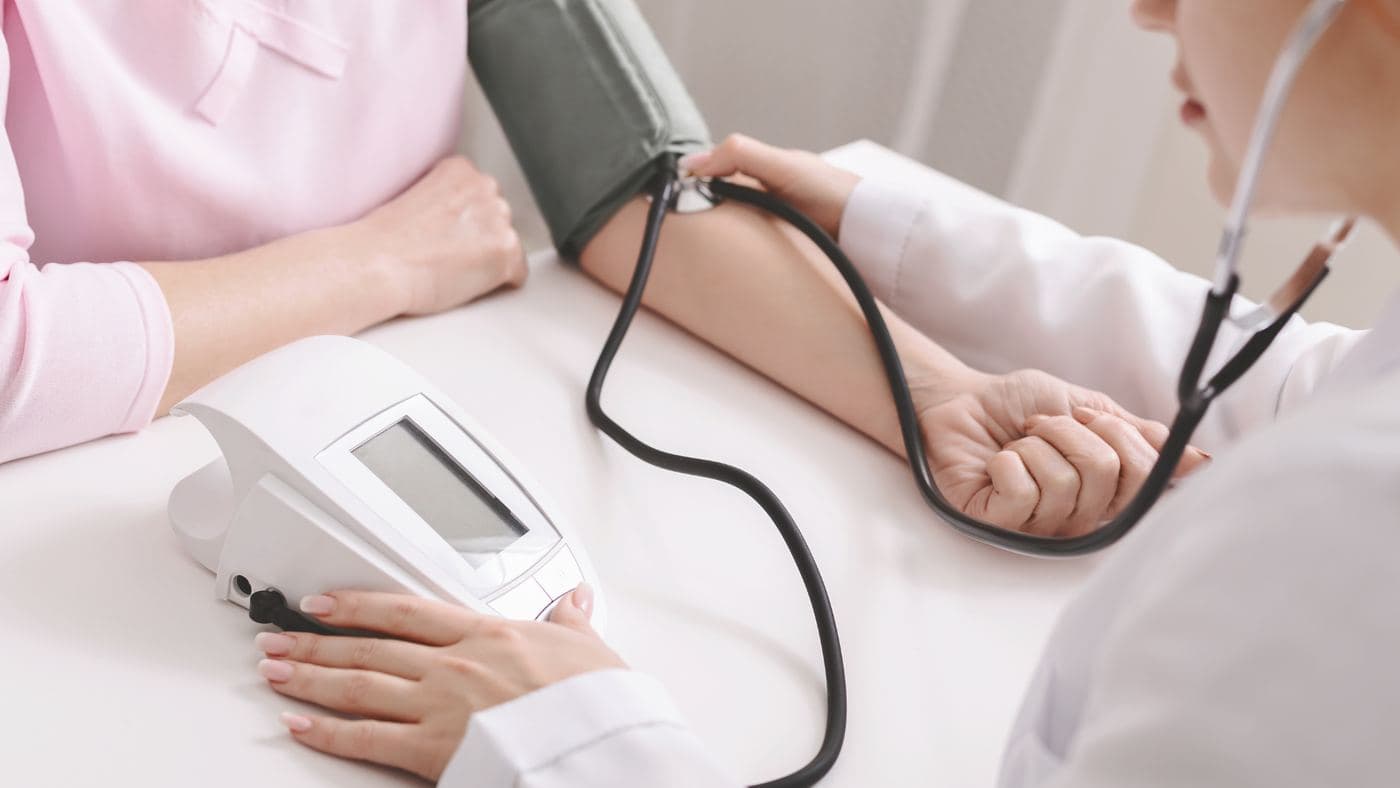
Many people live with high blood pressure without realising it. Unlike some medical conditions, it often develops quietly over time and may not cause obvious symptoms at first. Yet its effects on the heart and blood vessels can be significant if it remains untreated.
Blood pressure is one of the first things looked at in any assessment of cardiovascular health. That is because controlling high blood pressure is one of the most effective ways to protect the heart and reduce the risk of serious complications later in life.
The encouraging reality is that blood pressure can often be improved with a combination of lifestyle habits and, when necessary, medication.
What High Blood Pressure Means
Blood pressure refers to the force exerted by circulating blood against the walls of the arteries.
Each time the heart beats, it pumps blood through a network of vessels that carry oxygen and nutrients throughout the body. If the pressure within these vessels becomes consistently too high, the arteries begin to experience strain.
This persistent pressure is known as high blood pressure, or hypertension.
Over time, elevated pressure can damage the lining of the arteries, making them less flexible and more vulnerable to narrowing or blockage. This is one of the reasons hypertension is closely linked to cardiovascular disease,-Coronary%20Artery).
Why High Blood Pressure Affects the Heart
The heart must work harder when high blood pressure is present.
Imagine a pump trying to push water through a pipe that is under constant pressure. The pump has to exert more force to maintain the flow. In a similar way, the heart must generate greater pressure to move blood through the arteries.
Over time, this extra workload can cause the heart muscle to thicken. While this may initially help the heart cope with the increased demand, it eventually makes the heart less efficient.
Persistent hypertension can increase the risk of several cardiovascular problems, including heart attacks, heart failure, and stroke.
That is why managing blood pressure is a central part of preventing heart disease.
Why High Blood Pressure Often Goes Unnoticed
One of the challenges with high blood pressure is that many people feel perfectly well even when their readings are elevated.
Unlike some conditions that cause immediate discomfort, hypertension may not produce clear symptoms until damage has already begun.
This is why routine health checks are so important. A simple blood pressure measurement can provide valuable insight into cardiovascular health.
Prevention begins with awareness. Knowing your blood pressure numbers allows you to take action before complications develop.
Common Causes and Risk Factors
Several factors can contribute to the development of high blood pressure.
Some are related to lifestyle habits, while others involve genetics or ageing.
Common risk factors include:
Family history of hypertension
High salt intake
Excess body weight
Physical inactivity
Chronic stress
Excessive alcohol consumption
Age also plays a role, as blood vessels naturally become less flexible over time.
However, even when genetic or age-related factors are present, lifestyle adjustments can still have a meaningful impact.
Symptoms That May Occur
Most people with high blood pressure experience no symptoms, which is why it is sometimes discovered during routine medical checks.
In more severe cases, individuals may notice symptoms such as:
Blurred vision
These symptoms can occur for many reasons and do not always indicate hypertension. NHS advice is to call 999 if you have sudden pain or discomfort in your chest that does not go away, pain that spreads to your arm, neck, jaw, stomach or back, or chest pain with sweating, sickness, light-headedness or breathlessness. Get help from NHS 111 if you often have headaches or blurred vision, or if you have chest pain that comes and goes.
The most reliable way to detect elevated blood pressure remains regular monitoring.
How High Blood Pressure Is Diagnosed
Diagnosing high blood pressure involves measuring blood pressure levels on more than one occasion.
A single elevated reading does not always confirm hypertension, as blood pressure can fluctuate throughout the day. Stress, physical activity, and even caffeine intake can temporarily influence readings.
For this reason, doctors often take several measurements over time or recommend home monitoring.
In some cases, a 24-hour blood pressure monitor may be used. This device records blood pressure throughout the day and night, providing a more complete picture of how the body regulates pressure.
These assessments may form part of the diagnostic tests used to evaluate cardiovascular health.
Accurate diagnosis allows treatment to be tailored to the individual.
Managing High Blood Pressure
One of the most positive aspects of treating high blood pressure is that small changes can make a meaningful difference.
Lifestyle habits play a central role in controlling blood pressure and supporting long-term cardiovascular health.
Regular Physical Activity
Consistent physical activity helps the heart pump more efficiently and improves circulation.
Simple routines such as walking regularly are often the easiest place to start. NHS guidance recommends at least 150 minutes of moderate intensity activity a week, spread over four or five days, or every day.
The British Heart Foundation advice on physical activity highlights how regular exercise benefits the heart.
Balanced Nutrition
Diet has a direct influence on blood pressure. Reducing salt intake and prioritising whole foods can help maintain healthier readings.
Many people benefit from a Mediterranean diet, which emphasises vegetables, fruits, whole grains, and healthy fats such as olive oil.
Managing Stress
Stress is frequently overlooked when discussing high blood pressure, yet it plays a meaningful role in cardiovascular health.
Chronic stress can raise blood pressure and encourage unhealthy habits such as poor sleep or overeating.
Managing stress through relaxation, physical activity, and time away from screens can support both mental and heart health.
Medication When Needed
For some individuals, lifestyle adjustments alone may not be enough to control blood pressure.
In these situations, medication can be extremely effective. Modern treatments are designed to lower blood pressure safely while reducing strain on the heart and arteries.
Medication is often used alongside lifestyle changes rather than replacing them.
A Long-Term Perspective
In cardiology, one of the most important principles is consistency.
High blood pressure usually develops gradually, which means improvement also occurs gradually. Small, steady habits repeated over time can significantly reduce cardiovascular risk.
It is a common assumption that dramatic changes are necessary. In reality, the most powerful improvements usually come from sustainable routines that become part of everyday life.
Regular monitoring, healthy habits, and personalised medical care all contribute to long-term heart health.
Conclusion
High blood pressure is one of the most common and important risk factors affecting cardiovascular health. When left untreated, it places strain on the heart and arteries, increasing the likelihood of serious conditions such as heart attack, stroke, and heart failure.
The encouraging news is that hypertension can often be managed effectively through regular monitoring, healthy lifestyle habits, and appropriate medical treatment when needed.
If you are concerned about high blood pressure or would like personalised advice about protecting your heart health, contact me to arrange a consultation and discuss the most appropriate steps for your individual situation.