
Tests
How Wearable Technology Is Changing Heart Monitoring
Learn how wearable heart monitoring technology helps detect arrhythmias, track heart health, and support earlier cardiac assessment.
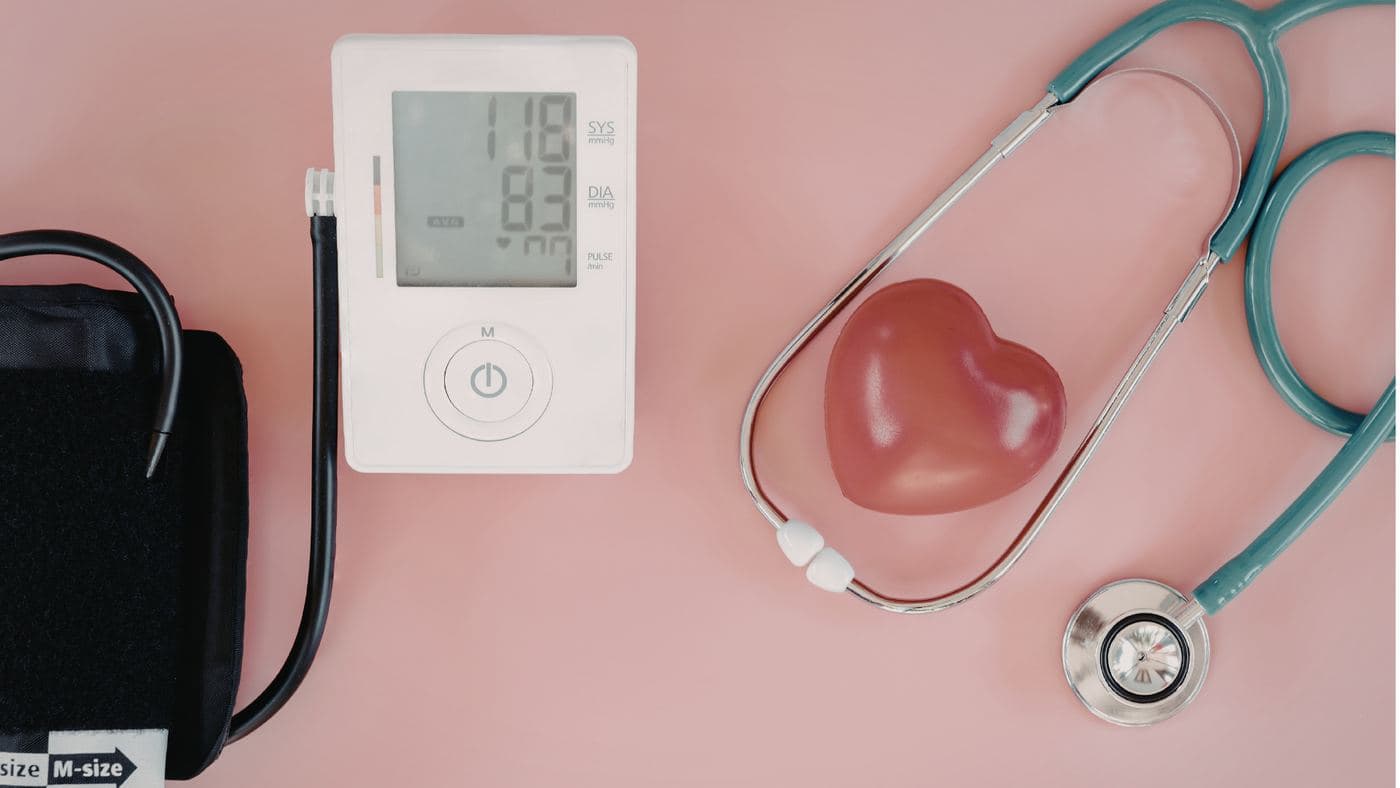
A smartwatch that flags an irregular rhythm has become a recognised route into cardiac assessment. Someone who has had occasional palpitations for months, and thought little of them, sees a reading that looks like atrial fibrillation, takes it to their GP, and arrives at a cardiology appointment with something concrete to work from. Ten years ago that journey often took a great deal longer. It is one of the clearest signs that wearable heart monitoring technology is genuinely changing how heart rhythm problems are picked up.
Wearable heart monitors are devices you wear on your body, most often on your wrist, that continuously track your heart's rhythm, rate, and sometimes its electrical activity through a single-lead ECG. The latest generation can detect atrial fibrillation, spot abnormal heart rates, and even alert you to potential problems before you notice symptoms. These devices do something that was not previously possible at scale. They give a window into the heart's behaviour during normal daily life, rather than the brief snapshot captured in a clinic room.
Why This Matters for Patients
For decades, diagnosing intermittent heart problems was genuinely difficult. Someone describing palpitations that happened twice a week would often need a 24-hour or seven-day Holter monitor fitted, in the hope that the rhythm appeared during that window. Quite often it did not. The patient would go home, the symptom would return, and the investigation was back to square one.
Wearable technology has changed that. A smartwatch or chest-worn monitor is on the patient's body all day, every day. It is increasingly common for someone with intermittent palpitations to arrive at an appointment with some form of wearable data already in hand. That does not replace a formal medical-grade investigation, but it is a useful head start, because it gives an indication of when episodes happen, how long they last, and what the heart rate looks like during them. That changes the conversation entirely.
What the Evidence Actually Shows
The clinical case for wearables has grown stronger every year. Large studies have shown that consumer smartwatches can detect atrial fibrillation with reasonable accuracy, particularly in older patients who are at higher risk. AF is one of the most common heart rhythm problems in the UK, and a significant proportion of cases go undiagnosed because the rhythm is often silent or intermittent. Catching it matters, because untreated AF raises the risk of stroke significantly, and effective treatment is available once a diagnosis is in place.
Beyond AF, wearables are now being used to track heart rate variability, resting heart rate trends, sleep patterns, and recovery after exercise. The resting heart rate trend is one of the more underrated metrics. A gradual rise over weeks can signal anything from poor sleep and stress to early signs of an underlying problem. None of this replaces a proper cardiac assessment, but it gives patients (and their cardiologists) a much richer picture than a single reading in a clinic room ever could.
Where Wearables Genuinely Help
There are three areas where wearable heart monitoring technology consistently adds value.
The first is early detection of arrhythmias. AF is the headline example, but smartwatches are increasingly good at flagging unusually high or low heart rates and prompting patients to seek advice. In some cases the alert is the first indication of a rhythm problem that had otherwise gone unnoticed.
The second is monitoring after a diagnosis. Patients who've had an ablation, started a new heart rhythm medication, or recovered from a heart attack benefit hugely from being able to see their own data. It gives them a sense of control and helps the cardiologist see how well a treatment is working between appointments.
The third is prevention and lifestyle change. This is perhaps the most promising of the three. Being able to see a resting heart rate fall after a few weeks of regular walking, or sleep quality improve after cutting back on alcohol, makes it easier to stick with the change. Consistency matters more than perfection, and wearable data makes that consistency visible.
The Limits You Should Know About
It's worth being honest about what wearables can't do. They aren't medical-grade diagnostic tools. A smartwatch ECG is a single-lead trace, which is enough to flag AF reasonably well but not enough to diagnose more complex rhythm problems or assess the heart's structure. False alarms happen. Anxiety triggered by a single abnormal reading is common, and it is important not to overreact to one isolated alert.
Wearable monitoring has an advantage over ad-hoc symptom diaries, because the data is objective and timestamped, but it works best when paired with proper clinical interpretation rather than as a substitute for it. The right pathway is wearable data flagging a concern, GP review, and onward referral if needed. Some people delay seeking help because their watch "looked fine", and others become very anxious over a single irregular reading. Neither is the right outcome, and the difference usually comes down to having a clinician involved early.
How to Use a Wearable Sensibly
If you're using a smartwatch or fitness tracker to keep an eye on your heart, a few simple principles will get the most out of it.
Pay attention to trends rather than single readings. One high heart rate after a strong coffee tells you very little. A resting heart rate that's been creeping up for a fortnight is worth a conversation with your GP.
Keep an eye on your resting heart rate, sleep, and recovery patterns alongside any rhythm alerts. These metrics together give a much better picture of your cardiovascular health than any one of them alone.
If your device flags AF or any rhythm abnormality, don't panic and don't dismiss it. Save the trace or screenshot it, note when it happened and how you felt, and arrange to see your GP or a cardiologist. The information is genuinely useful, but it needs proper interpretation.
And remember that wearables are most powerful when combined with the basics of heart health: regular movement, decent sleep, managing stress, and looking after your blood pressure and cholesterol. The technology amplifies good habits. It doesn't replace them.
What Is Coming Next
The next few years are going to be genuinely exciting. We're already seeing wearables that can estimate blood pressure, track blood oxygen, and detect signs of sleep apnoea, which is a major and often missed risk factor for heart disease. Through my work with the Health Innovation Network and the NHS Innovation Accelerator, I see first-hand how quickly digital health tools are moving from consumer gadgets to genuine clinical aids. The aim is to integrate them into everyday NHS pathways so that better, earlier care is available to everyone, not just those who can afford the latest device.
The bigger shift is cultural. Patients are becoming more engaged with their own heart health than ever before. That's a good thing, provided the information they have access to is properly interpreted and acted on. The role of the cardiologist is changing too, from someone who makes decisions in isolation to someone who works in partnership with patients who arrive informed, curious, and often with data of their own.
Conclusion
Wearable heart monitoring technology isn't a substitute for proper cardiac care, but it is one of the most useful developments in cardiology in recent years. Used well, it catches problems earlier, supports long-term condition management, and helps patients stay engaged with their own health between appointments. Used poorly, it generates noise and anxiety. The difference comes down to interpretation, context, and having a clinician you trust to talk it through with.
If you have chest pain that does not settle, sudden severe breathlessness, or you faint or collapse, call 999 straight away rather than waiting for an appointment. If you've been getting unusual readings from your smartwatch, are experiencing palpitations or chest discomfort, or simply want a proper assessment of your heart health, you can contact me, Dr Roy Jogiya, at Kingston Cardiologist to arrange a private consultation across Kingston-upon-Thames, Wimbledon, or central London. Appointments are available in person and virtually, and we can review any wearable data you've collected as part of your assessment.
Keep reading