
Conditions
What is atrial fibrillation?
What is atrial fibrillation? Learn symptoms, causes and treatment for this common heart rhythm disorder.
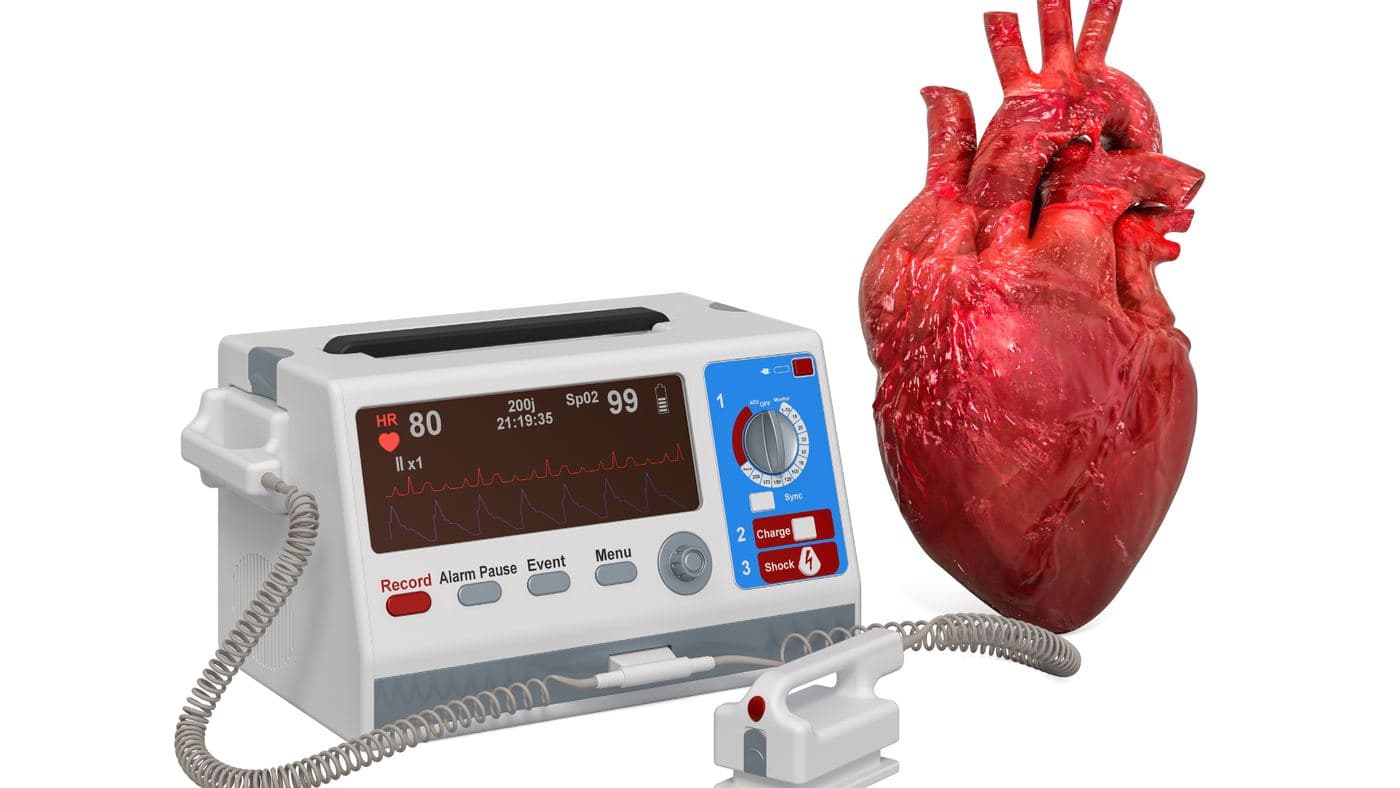
A fluttering sensation in the chest or a heartbeat that feels irregular can have many causes, and one of them is atrial fibrillation. It is one of the most common heart rhythm disorders seen in cardiology clinics and can affect people of many different ages.
Although the name may sound technical, the condition itself can be explained quite simply. Atrial fibrillation occurs when the electrical signals in the upper chambers of the heart become disorganised. Instead of beating in a steady, coordinated way, the heart begins to beat irregularly and often faster than normal.
With the right care and monitoring, many people with atrial fibrillation continue to lead active and healthy lives.
How the Heart Normally Beats
To understand atrial fibrillation, it helps to know how the heart’s rhythm normally works.
The heart contains a natural electrical system that controls every heartbeat. Electrical signals begin in a small structure known as the sinus node, often described as the heart’s natural pacemaker.
These signals travel through the upper chambers of the heart, called the atria, and then pass to the lower chambers, the ventricles. This sequence allows the heart to pump blood efficiently around the body.
The British Heart Foundation explanation of how the heart works explains how this electrical system controls the heartbeat.
When this electrical pathway functions normally, the heart beats in a steady and regular rhythm.
What Happens During Atrial Fibrillation
In atrial fibrillation, the electrical signals in the atria become chaotic.
Instead of a single organised signal controlling the heartbeat, many rapid electrical impulses occur at the same time. This causes the atria to quiver rather than contract properly.
Because of this disruption, the ventricles receive irregular signals and the overall heartbeat becomes uneven.
Some people experience a rapid heart rate during episodes of atrial fibrillation, while others notice mainly the irregular rhythm.
The condition can occur occasionally in short episodes, or it may become persistent over time.
Further information about the condition can also be found in the NHS guide to atrial fibrillation.
Common Symptoms
The symptoms of atrial fibrillation vary widely from person to person.
Some people are very aware of changes in their heartbeat, while others may not notice anything unusual.
Common symptoms can include:
Palpitations or a fluttering sensation in the chest
Fatigue or reduced energy levels
Reduced ability to exercise
In some cases, atrial fibrillation is discovered during routine medical checks, even when the patient has no symptoms.
Regardless of how it is detected, proper assessment is important. Call 999 or go to A&E if you have palpitations that do not go away, or palpitations along with chest pain, shortness of breath or feeling faint. If the palpitations have stopped and you are worried, ask your GP surgery for an urgent appointment or get help from NHS 111.
Why Atrial Fibrillation Matters
One of the reasons doctors pay close attention to atrial fibrillation is its link with stroke.
When the atria do not contract effectively, blood can sometimes pool within the heart. This can allow small clots to form.
If a clot travels from the heart to the brain, it may block blood flow and cause a stroke.
Fortunately, treatments are available that significantly reduce this risk. Blood thinning medications can help prevent clot formation and protect against stroke.
Managing atrial fibrillation therefore involves more than simply controlling heart rhythm. It also focuses on reducing long-term cardiovascular risk.
What Causes Atrial Fibrillation
There are many possible causes of atrial fibrillation, and sometimes more than one factor is involved.
Common contributors include:
Excess alcohol intake
Age also plays a role, as the likelihood of atrial fibrillation increases over time.
In other cases, atrial fibrillation may occur in people with otherwise healthy hearts, sometimes triggered by stress, illness, or lifestyle factors.
Identifying the underlying cause helps guide treatment decisions.
How Atrial Fibrillation Is Diagnosed
Diagnosing atrial fibrillation involves recording the electrical activity of the heart.
An electrocardiogram (ECG) is the most common test used to confirm the diagnosis. This test measures the heart’s electrical signals and reveals whether the rhythm is irregular.
If symptoms occur only occasionally, longer monitoring may be recommended. This can include portable devices worn for 24 hours or longer.
Additional tests such as echocardiography may also be used to examine the structure and function of the heart.
These investigations form part of the diagnostic tests used in cardiology to understand both the rhythm disturbance and the overall condition of the heart.
Treatment Options
Treatment for atrial fibrillation usually focuses on three key areas.
Controlling the Heart Rate
Medications may be prescribed to slow the heart rate and help the heart beat more efficiently.
Restoring Normal Rhythm
In some situations, doctors attempt to restore a normal rhythm using medication or a procedure called cardioversion.
Specialised treatments such as catheter ablation may also be recommended for certain patients. This procedure targets the areas of heart tissue responsible for triggering abnormal electrical signals.
Reducing Stroke Risk
For many patients, blood-thinning medication plays an essential role in preventing stroke.
The most appropriate treatment plan depends on factors such as age, overall health, symptoms, and other medical conditions.
The Role of Lifestyle in Heart Rhythm Health
Although medical treatments are important, daily habits can also influence the development and management of atrial fibrillation.
Several lifestyle approaches can support cardiovascular health:
Maintaining regular physical activity
Managing stress levels
Limiting alcohol intake
Prioritising good sleep
Monitoring blood pressure
Small, consistent habits can have a powerful impact over time.
Even simple activities such as walking outdoors each day can benefit both the heart and overall wellbeing.
Living with Atrial Fibrillation
One of the reassuring aspects of modern cardiology is how effectively we can now manage atrial fibrillation.
Advances in medications, monitoring technology, and minimally invasive procedures have transformed treatment options.
With the right care plan, many patients continue to work, exercise, and enjoy daily life without major limitations.
Every patient’s situation is unique, which is why personalised care remains essential.
Conclusion
Atrial fibrillation is a common heart rhythm disorder in which the electrical signals in the upper chambers of the heart become irregular. This causes the heart to beat unevenly and sometimes more rapidly than normal.
Although the condition can cause symptoms such as palpitations, fatigue, and breathlessness, effective treatments are available to manage the rhythm and reduce the risk of complications such as stroke.
If your palpitations do not go away, or come with chest pain, shortness of breath or feeling faint, call 999 or go to A&E rather than waiting for an appointment. If they have stopped and you are worried, your GP surgery or NHS 111 can advise you the same day. For longer standing concerns about atrial fibrillation, contact me to arrange a consultation and discuss the most appropriate evaluation and treatment for your heart health.