
Conditions
Understanding cardiomyopathy and how it affects the heart
Cardiomyopathy explained including causes, symptoms and treatment of heart muscle disease affecting heart function.
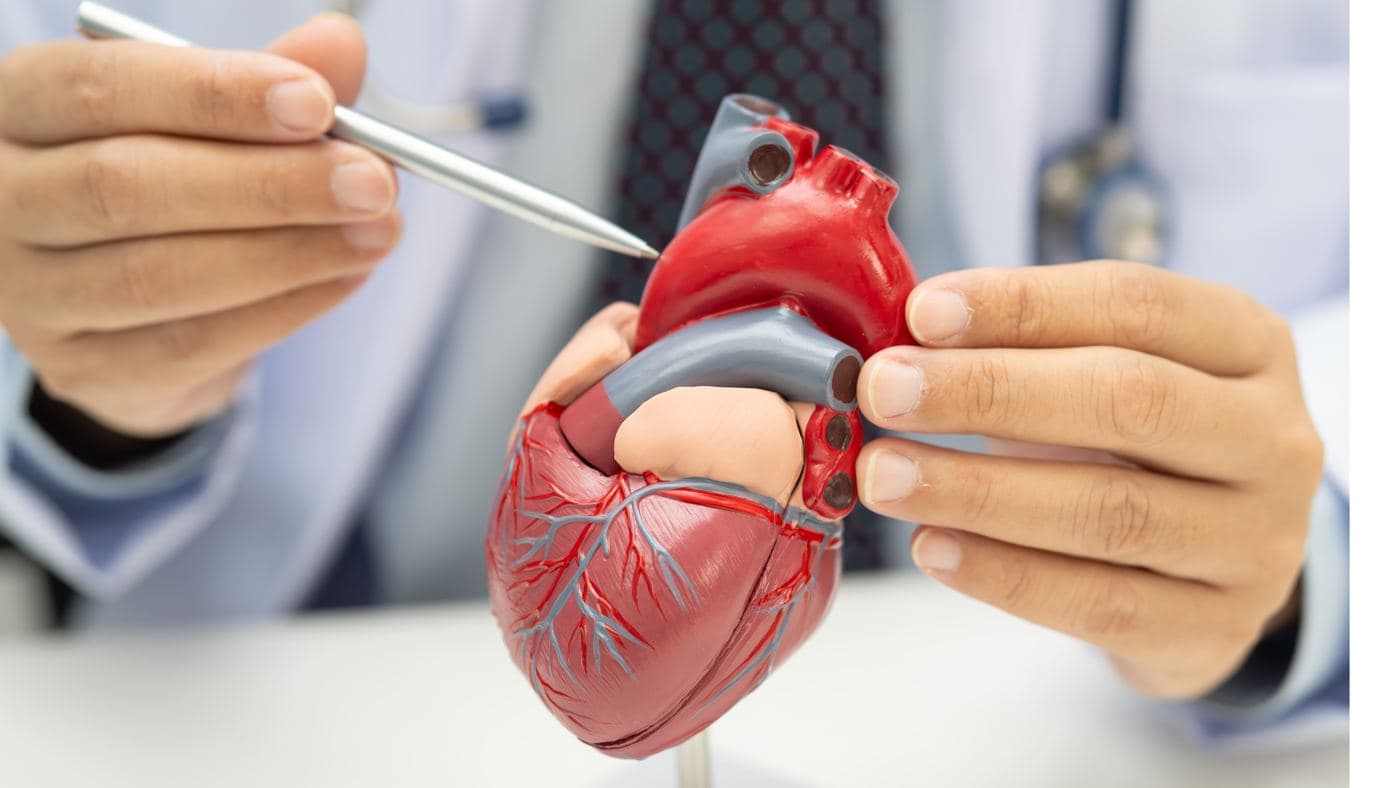
When patients hear the term cardiomyopathy, it often sounds unfamiliar and worrying. In simple terms, cardiomyopathy refers to diseases that affect the heart muscle itself. These conditions can change the way the heart muscle works, making it harder for the heart to pump blood effectively around the body.
The heart is a remarkably resilient organ, but like any muscle it can become weakened, thickened, or stiff under certain circumstances. When this happens, it may lead to symptoms such as fatigue, breathlessness, or abnormal heart rhythms.
Understanding cardiomyopathy helps people recognise how the condition affects the heart and why early diagnosis and treatment are so important.
What Cardiomyopathy Means
The word cardiomyopathy simply describes a disease of the heart muscle. Unlike coronary artery disease, which involves narrowing of the arteries supplying the heart, cardiomyopathy affects the structure and function of the heart muscle itself.
When the heart muscle changes in shape or strength, it may struggle to pump blood efficiently. In some cases, the chambers of the heart become enlarged. In others, the muscle becomes thickened or stiff.
These changes can interfere with normal circulation and sometimes affect the heart’s electrical system as well.
The severity of cardiomyopathy varies widely. Some people experience few symptoms and live normal lives with monitoring and treatment. Others may require more specialised care.
Different Types of Cardiomyopathy
There are several forms of cardiomyopathy, each affecting the heart muscle in a different way.
Dilated Cardiomyopathy
Dilated cardiomyopathy occurs when the heart chambers become enlarged and the heart muscle becomes weaker.
As the heart stretches, its ability to pump blood effectively decreases. This can lead to symptoms such as fatigue, breathlessness, and reduced exercise tolerance.
Dilated cardiomyopathy may develop due to genetic factors, previous viral infections, alcohol misuse, or long-standing high blood pressure.
In many cases, modern treatments can significantly improve heart function and quality of life.
Hypertrophic Cardiomyopathy
Hypertrophic cardiomyopathy is characterised by abnormal thickening of the heart muscle, particularly in the walls of the left ventricle.
This thickening can make it harder for the heart to pump blood efficiently and may sometimes obstruct blood flow leaving the heart.
Hypertrophic cardiomyopathy is often inherited, meaning it can run in families. Many individuals live active lives with the condition, but regular monitoring is important to assess heart function and rhythm.
Advances in imaging have made it much easier to diagnose this type of cardiomyopathy accurately.
Restrictive Cardiomyopathy
Restrictive cardiomyopathy occurs when the heart muscle becomes stiff and less able to relax between beats.
Although the pumping strength of the heart may remain relatively normal, the stiffness prevents the chambers from filling properly with blood.
This can lead to symptoms of heart failure such as breathlessness and fluid retention.
Restrictive cardiomyopathy is less common than other forms but can occur due to certain medical conditions or diseases affecting the heart muscle.
What Causes Cardiomyopathy?
There are several potential causes of cardiomyopathy, and sometimes the exact cause remains unclear.
Common contributing factors include:
Genetic inheritance
Previous viral infections affecting the heart
Long-term high blood pressure
Excessive alcohol consumption
Certain medical conditions affecting other organs
Family history is particularly important. When cardiomyopathy runs in families, screening of close relatives may help detect the condition early.
Identifying the underlying cause helps guide treatment and long-term monitoring.
Symptoms to Be Aware Of
The symptoms of cardiomyopathy can vary depending on the type and severity of the condition.
Some people may have no symptoms initially, while others may experience noticeable changes in their energy levels or breathing.
Common symptoms include:
Shortness of breath, especially during physical activity
Fatigue or reduced stamina
Swelling in the legs, ankles, or abdomen
Palpitations or irregular heartbeats
Episodes of dizziness or fainting
These symptoms are not unique to cardiomyopathy and can occur with other heart conditions. However, persistent or worsening symptoms should always be evaluated by a healthcare professional. Call 999 if you have severe difficulty breathing, if your chest feels tight or heavy, or if someone faints and is not breathing, cannot be woken within a minute, has not fully recovered, or fainted while exercising. Anyone who has fainted should also see a GP to find out what caused it.
How Cardiomyopathy Is Diagnosed
Diagnosing cardiomyopathy usually involves a combination of clinical assessment and specialised tests.
Doctors may begin with a physical examination and a discussion of symptoms and family history.
Several investigations may then be recommended, including:
Electrocardiogram (ECG) to assess heart rhythm
Echocardiogram to examine heart structure and pumping function
Cardiac MRI to provide detailed images of the heart muscle
Blood tests to evaluate overall health
In some cases, genetic testing may also be considered if an inherited form of cardiomyopathy is suspected.
These tests allow clinicians to understand the type of cardiomyopathy present and determine the most appropriate treatment plan.
Treatment and Management
Treatment for cardiomyopathy depends on the type of condition and its impact on heart function.
Many patients are treated with medications that help the heart pump more effectively, control blood pressure, and reduce strain on the heart muscle.
In certain situations, devices such as pacemakers or implantable defibrillators may be recommended to manage abnormal heart rhythms.
Lifestyle adjustments can also support heart health. These may include maintaining a balanced diet, limiting alcohol intake, and staying physically active within safe limits.
Regular follow-up appointments allow doctors to monitor heart function and adjust treatment as needed.
The Importance of Early Detection
Early detection of cardiomyopathy can make a significant difference.
When the condition is identified early, treatment can begin before the heart muscle becomes severely weakened.
Regular health checks, particularly for individuals with a family history of heart disease, play an important role in identifying potential problems at an early stage.
Advances in imaging technology and genetic testing are helping clinicians detect cardiomyopathy earlier than ever before.
Supporting Long-Term Heart Health
Although cardiomyopathy affects the heart muscle directly, overall cardiovascular health still benefits greatly from healthy daily habits.
Consistent routines such as regular physical activity, balanced nutrition, and effective stress management support the heart’s overall function.
Sustainability matters more than perfection. Small habits repeated consistently can support long-term wellbeing.
Spending time outdoors, maintaining good sleep patterns, and protecting mental health all contribute to a healthier cardiovascular system.
Conclusion
Cardiomyopathy refers to a group of conditions that affect the heart muscle and its ability to pump blood effectively. The condition can take several forms, including dilated, hypertrophic, and restrictive cardiomyopathy, each influencing heart function in different ways.
Although the diagnosis can sound concerning, many people with cardiomyopathy live active and fulfilling lives with appropriate treatment and monitoring. Advances in cardiac imaging, medications, and device therapy have greatly improved outcomes.
Sudden severe breathlessness, chest pain that does not settle, or a collapse needs emergency assessment, so call 999. For longer standing symptoms such as unexplained breathlessness or fatigue, or a family history of cardiomyopathy, contact me to arrange a consultation and discuss the most appropriate evaluation and management for your heart health.