
Prevention
What a cardiologist might recommend eating for better heart health
What a cardiologist recommends eating for heart health, with simple, practical changes that support long-term results.
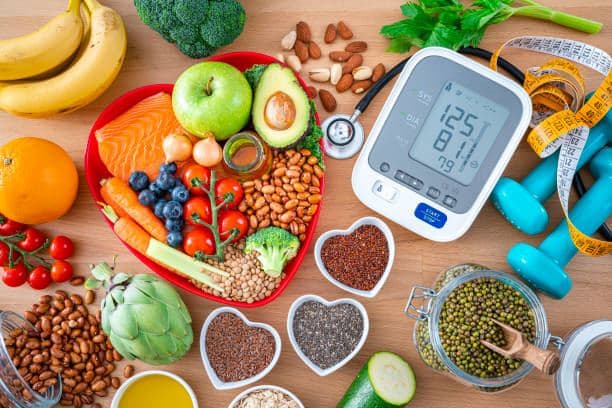
People asking what they should eat to protect their heart usually expect a strict diet or a long list of foods to avoid. In reality, what a cardiologist recommends eating is far simpler, a balanced and consistent way of eating that supports the heart over time.
The best results tend to come not from extreme diets but from sustainable changes that can be kept up. Overall eating patterns matter far more than rigid rules or short-term plans.
The Core Principle: Consistency Over Restriction
Before focusing on individual foods, it is important to understand the bigger picture.
Heart health is influenced by what you eat regularly, not occasionally. A single meal does not make a difference, but repeated habits do.
A common mistake is trying to overhaul a diet overnight. Gradual changes are more likely to last, and lasting is what makes them work.
What a Cardiologist Recommends Eating
There are a few consistent principles behind what a cardiologist recommends eating.
Vegetables and Fruits
A diet rich in vegetables and fruits provides fibre, vitamins, and antioxidants.
Vegetables and fruit are a core part of any heart-healthy way of eating, and increasing them supports healthier blood pressure and weight management.
Whole Grains
Whole grains such as oats, brown rice, and wholemeal bread help regulate cholesterol levels.
Choosing whole grains in place of refined carbohydrates increases fibre intake, which supports healthier cholesterol levels over time.
Healthy Fats
Not all fats are harmful.
Unsaturated fats found in olive oil, nuts, seeds, and oily fish support heart health by improving cholesterol balance.
Replacing saturated fat with unsaturated fat is more useful than cutting fat altogether, because it is the type of fat rather than the total amount that has the greater effect on cholesterol.
Lean Protein Sources
Lean proteins such as fish, poultry, legumes, and plant-based options are preferable to processed or fatty meats.
Oily fish, in particular, provides omega-3 fatty acids, which are beneficial for cardiovascular health.
Foods to Limit
Understanding what to reduce is just as important as knowing what to include.
A cardiologist recommend eating fewer foods that increase cardiovascular risk.
These include:
Processed and packaged foods
Foods high in saturated fat
Excess salt
Added sugars
Cutting back on processed food usually reduces salt, saturated fat and added sugar at the same time, which is why it is such a useful place to start.
The Role of Salt and Blood Pressure
Salt is one of the most overlooked factors in heart health.
Salt intake is easily underestimated. Around three quarters of the salt we eat comes from packaged and everyday foods we buy, such as bread, breakfast cereals, meat products and ready meals, rather than from the salt cellar, according to the NHS.
Eating less salt helps lower blood pressure. NHS guidance is that adults should have no more than 6g of salt a day, around one level teaspoon.
A Real-World Perspective
One of the most common misconceptions is that heart-healthy eating requires strict rules or complete avoidance of certain foods.
In reality, what works best is balance.
In reality, small and consistent changes to an everyday diet tend to be the ones people are able to keep up, and a way of eating that lasts is worth more than a restrictive one that does not.
It is also easy to focus too much on individual “superfoods.” What matters is the overall pattern of eating rather than any one ingredient.
Practical Changes That Make a Difference
Small adjustments can have a meaningful impact over time.
These include:
Increasing vegetable portions in meals
Choosing whole grains instead of refined options
Using olive oil instead of butter
Including fish regularly
Reducing reliance on processed foods
These practical changes are easier to maintain than a complete dietary overhaul, and that is what makes them effective.
Eating Habits in a UK Context
In the UK, busy routines often lead to reliance on convenience foods.
What actually tends to happen is that processed meals become part of the daily routine rather than an occasional choice.
Cooking more meals at home and planning ahead gives you control over salt, fat and portion size, and it improves dietary quality without making the process complicated.
Diet as Part of a Wider Approach
Diet is one of the most important factors in heart health, but it does not work in isolation.
The best results come when diet is combined with other everyday habits.
Regular physical activity
Good sleep
Monitoring of blood pressure and cholesterol
This combined approach provides the most consistent and lasting results.
Conclusion
What a cardiologist recommend eating for better heart health is not a strict or restrictive diet, but a balanced and sustainable way of eating built around whole foods and consistent habits.
Simple, repeatable changes tend to deliver better long-term results than drastic dietary shifts, because they are the ones people keep up.
If you would like personalised guidance on improving your diet and reducing your cardiovascular risk, you can contact Roy Jogiya at Kingston Cardiologist to arrange a consultation and discuss the most appropriate approach for your individual health.