
Conditions
What is Angina
Learn what angina is, its symptoms, causes and treatment options, plus when chest discomfort may need urgent cardiac assessment.
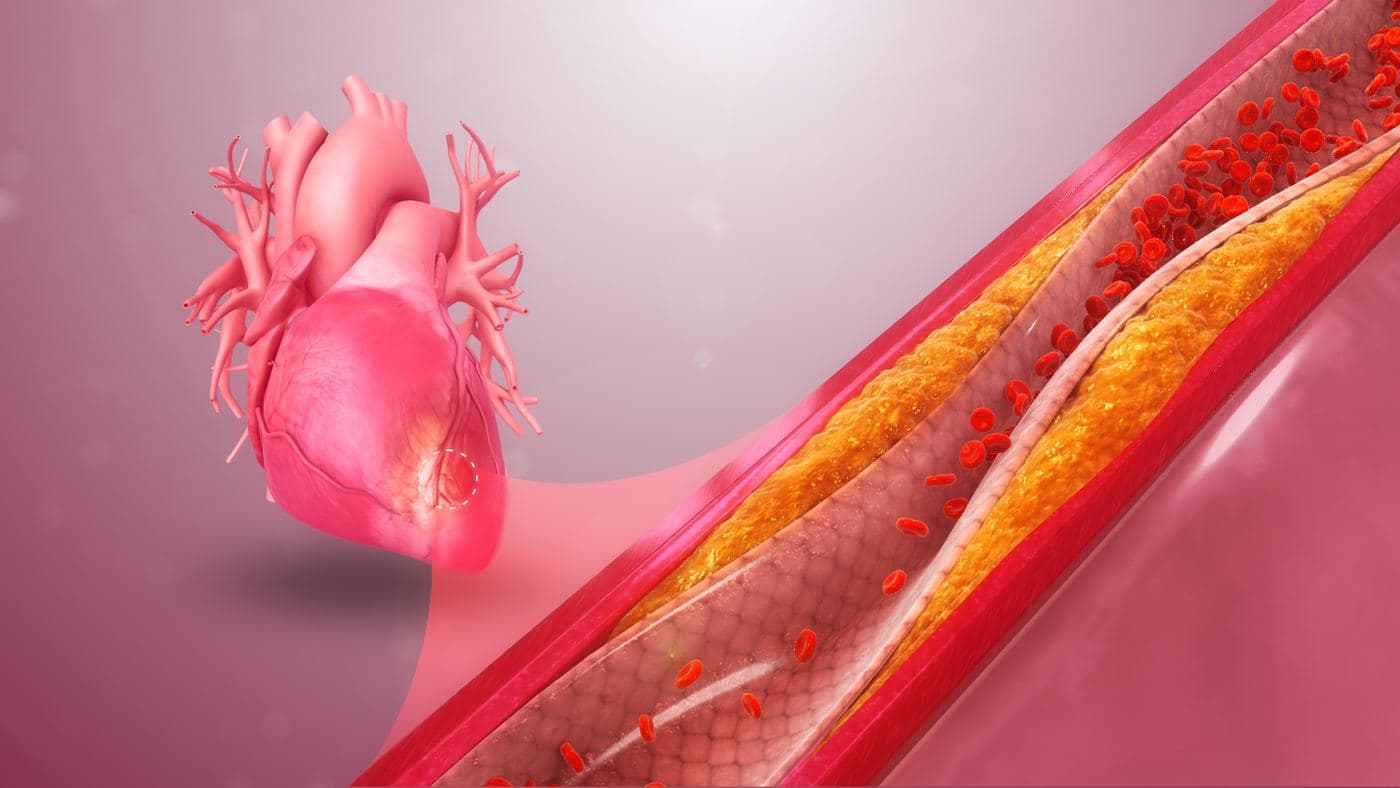
If you've been told you have angina, or you're trying to make sense of a chest discomfort that comes on with effort and eases when you rest, the most useful thing to know up front is that angina is a symptom, not a disease in its own right. It's the pain or pressure your heart produces when its muscle isn't getting enough oxygen-rich blood, usually because the coronary arteries that supply it have become narrowed. Most often, angina shows up as a tight, heavy or pressing sensation in the chest, sometimes spreading to the jaw, neck, arm or back, and it tends to come on with exertion, stress or cold weather.
Patients seen in clinics across Kingston-upon-Thames and South West London often describe angina in very ordinary language. It's rarely the dramatic, crushing chest pain you see on television. More often it's a discomfort that builds when someone walks uphill, hurries for a bus or climbs stairs with shopping, and then quietly settles within a few minutes of stopping. That pattern matters, because it suggests the heart muscle is being asked to do more work than its blood supply can comfortably support. Understanding what's behind it, and treating it properly, is one of the most valuable things a cardiology assessment can do.
What's Happening Inside the Heart
Your heart is a muscle, and like any muscle it needs a constant supply of oxygen-rich blood to do its work. The coronary arteries are the small blood vessels that deliver this supply, and they're only a few millimetres wide. Over years, they can narrow gradually through a process called atherosclerosis, where fatty plaque builds up on the artery walls. Once a narrowing becomes significant, the heart muscle can struggle to get the blood it needs, particularly when demand goes up.
Angina is the symptom of that mismatch. At rest, the narrowed arteries can usually deliver enough blood to keep things ticking along. The moment the heart has to work harder, however, the supply falls short and the muscle complains. That complaint is angina. The relief you feel when you slow down is the heart finding its balance again as demand drops back to what the arteries can manage.
The Different Types of Angina
Patients sometimes assume angina is a single thing, but it is better understood as a spectrum.
Stable angina is the most common form. The pattern is predictable. The same kind of effort brings on the same kind of discomfort, and rest or a glyceryl trinitrate (GTN) spray usually settles it within a few minutes. Stable angina tells us the underlying coronary disease is established but not actively unstable.
Unstable angina is more concerning. It comes on with less effort than before, at rest, or wakes you from sleep. It's often more severe and lasts longer. Unstable angina is a warning that a plaque inside an artery may have become inflamed or partially ruptured, and it sits on the spectrum towards a heart attack. If your symptoms have changed in this way, seek urgent medical advice the same day through NHS 111 or your GP, and call 999 if the pain is severe, lasts more than 15 minutes or does not settle with rest or a GTN spray.
Microvascular angina affects the very small blood vessels of the heart rather than the main coronary arteries. The arteries may look normal on standard tests, but the smaller vessels aren't dilating properly. This form is more common in women and is sometimes missed because the larger investigations come back clean.
Vasospastic (or Prinzmetal's) angina is caused by temporary spasm of a coronary artery rather than a fixed narrowing. It often happens at rest, sometimes during the night, and can affect people whose arteries look reasonably healthy on imaging.
Distinguishing between these types changes what happens next. The treatment for stable angina with significant artery narrowing looks very different from the treatment for microvascular angina, and getting the diagnosis right is what makes treatment work.
What It Actually Feels Like
The classic textbook description of angina is a heavy, tight, crushing sensation in the centre of the chest. In real life, patients describe it in a much wider range of ways. Some say it's a pressure or a band tightening across the chest. Others describe heaviness, burning, or a sensation that feels like indigestion. The discomfort can spread to the left arm, both arms, jaw, neck, upper back or stomach. Sometimes it's accompanied by breathlessness, sweating, nausea or unusual fatigue.
Heart symptoms are rarely the dramatic, crushing chest pain you see on television. The most reliable feature of angina isn't where it hurts or how it feels, but the pattern. Pain that comes on with exertion, builds gradually, eases with rest within a few minutes, and is reproducible by the same level of effort is the classic clinical signature. Many people referred with chest pain turn out to have something other than angina once the full picture is put together, which is why a proper assessment matters before anyone is labelled.
Who's at Risk
Angina shares the same risk factors as the rest of cardiovascular disease, and the more of them you have, the higher your risk. The big ones are:
High blood pressure, which damages artery walls over time
Raised cholesterol, which drives plaque build-up
Diabetes, which accelerates artery disease
Smoking, which damages the arteries directly and reduces oxygen delivery
A family history of heart disease, particularly in close relatives under sixty
Being overweight or sedentary
Chronic stress, which can contribute through raised blood pressure and less healthy habits
Age and sex matter too. Men tend to develop angina earlier than women, though women catch up after the menopause and often present with less typical symptoms, which is one of the reasons their diagnosis is sometimes delayed. Knowing your numbers is worth the effort, particularly from your forties onwards. Blood pressure, cholesterol, diabetes risk and waist measurement are all things you can measure and act on, and they shape your cardiovascular risk over the long term.
How Angina Is Diagnosed
Diagnosing angina properly is about pattern recognition combined with the right tests. The process usually starts with a careful history. What brings the discomfort on, how long it lasts, what relieves it, and what other symptoms come with it will often tell a cardiologist more than any single test.
An ECG is almost always the first investigation. It can be completely normal between attacks, which is why we often supplement it with further imaging. An echocardiogram gives us a picture of the heart's structure and function at rest. A stress test or CT coronary angiogram lets us see what happens when the heart is asked to work harder. If those results raise enough concern, an invasive coronary angiogram gives us the most accurate map of the arteries and, where appropriate, the option to treat narrowings in the same sitting.
For many patients with stable chest pain, a CT coronary angiogram is more informative than a standard exercise stress test, because it gives direct anatomical information about the arteries rather than indirect functional clues. UK national guidance recommends CT coronary angiography as the first-line investigation for people with stable chest pain that may be angina, which is why it is often the first imaging test used. The right test still depends on the individual, and that decision sits at the heart of a good cardiology consultation.
How Angina Is Treated
The good news is that angina is highly treatable, and most patients do very well with the right combination of approaches.
Lifestyle change comes first, and it's not optional. Stopping smoking, getting your blood pressure and cholesterol under control, moving regularly (a 20-minute walk in the fresh air every day is a brilliant starting point), and looking after your weight, sleep and stress levels genuinely slow the disease down. Patients sometimes underestimate how much lifestyle moves the needle, but the evidence is consistent and the effects compound over years.
Medication is the backbone of treatment for most patients. This usually includes a statin to lower cholesterol, aspirin or another antiplatelet to reduce clot risk, and one or more medications to reduce the heart's workload (beta-blockers, calcium channel blockers, long-acting nitrates) or to dilate the arteries when symptoms occur (GTN spray). The aim is to control symptoms, lower the risk of a heart attack, and let you live a normal active life.
Procedures are reserved for patients whose symptoms aren't controlled by medication or whose anatomy makes a stronger case for intervention. A coronary angioplasty with a stent opens a narrowed artery and props it open with a small mesh tube. Coronary artery bypass surgery, in which a healthy blood vessel is used to bypass a blocked artery, is used in more complex cases or when several arteries are involved.
Angina is best treated as a long-term condition, and it responds well to consistent, joined-up care. It isn't a disease you fix once and walk away from. It's one you manage carefully over decades, and the rewards of doing that well are substantial.
When to Seek Urgent Help
There are some patterns that always warrant urgent attention rather than waiting for a routine appointment.
If your chest pain is severe, lasts more than 15 minutes, doesn't ease with rest or GTN, or comes with sweating, sickness, breathlessness or a feeling of impending doom, call 999. This may be a heart attack and minutes matter. If your usual angina pattern has changed, coming on with less effort, at rest, or more frequently, that is unstable angina until proven otherwise and it needs same-day medical assessment through NHS 111, your GP or your nearest emergency department rather than a routine appointment.
Where nothing urgent is going on, symptoms you can't quite explain and have been putting down to stress, indigestion or being out of shape are still worth a proper cardiac assessment rather than continuing to second-guess. The earlier symptoms are investigated, the more straightforward the answers tend to be.
Conclusion
Angina is your heart telling you that its blood supply isn't keeping up with what you're asking it to do. It's a serious signal, but it's also a manageable one. With the right diagnosis, the right lifestyle changes and the right combination of medication and (where needed) procedures, most patients with angina go on to live long, active, full lives. The key is taking the symptom seriously, getting properly assessed, and then committing to consistent long-term care rather than reaching for short-term fixes.
If your symptoms have changed recently, are coming on at rest or are getting worse, seek urgent medical advice rather than waiting for an appointment, and call 999 if the pain is severe, lasts more than 15 minutes or does not settle with rest or GTN. If you're experiencing chest discomfort with effort, or you'd like a proper review of your cardiovascular risk and any current treatment, you can contact me, Dr Roy Jogiya, at Kingston Cardiologist to arrange a private consultation across Kingston-upon-Thames, Wimbledon, or central London. Appointments are available in person and virtually, with full diagnostic support on site.