
Practice
Heart Rhythm Specialist Kingston
When to see a heart rhythm specialist rather than a general cardiologist, how intermittent arrhythmias are caught, and what to bring to an appointment near Kingston.
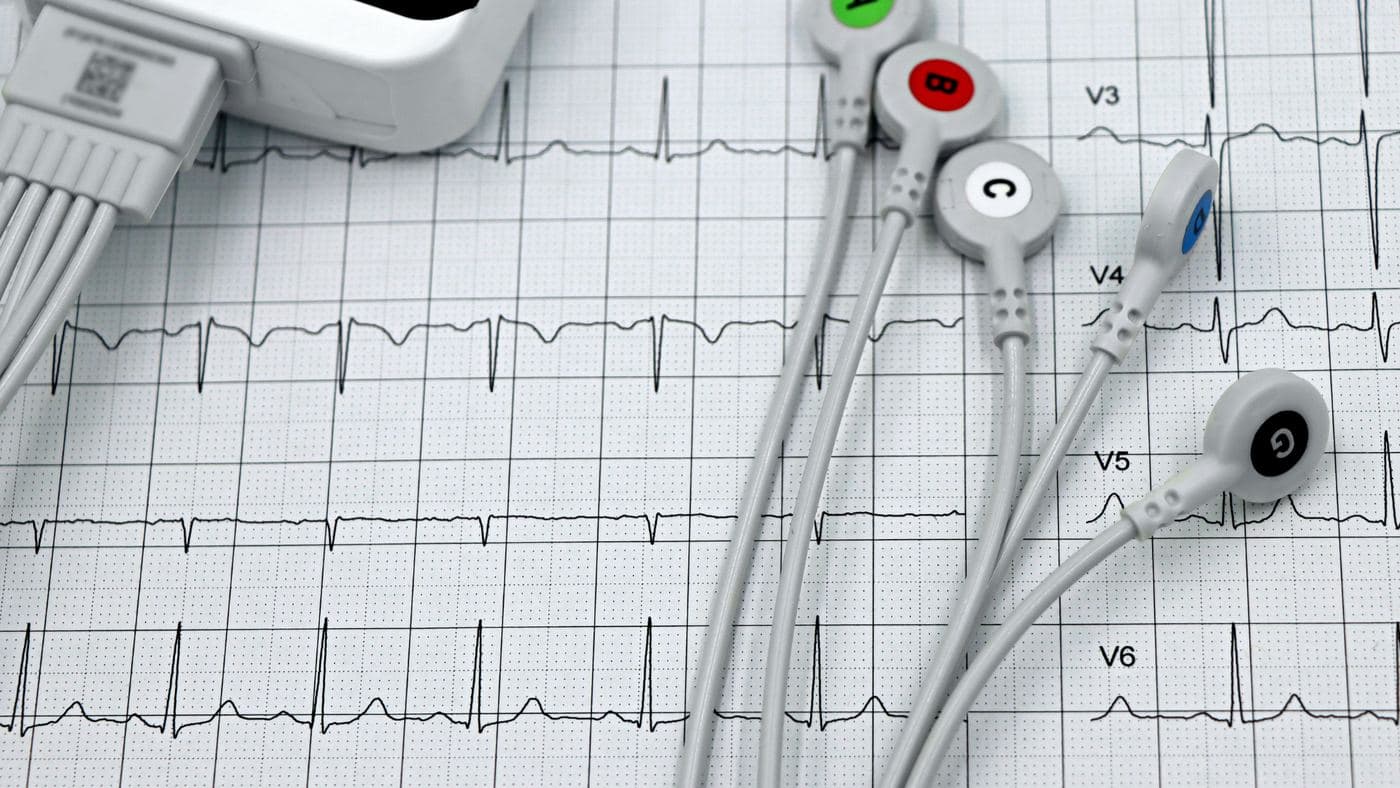
A heart rhythm specialist is a cardiologist whose main area of work is the electrical side of the heart rather than its plumbing. If your problem is palpitations, an irregular pulse, blackouts or a heart that races without warning, that is the person you want reading your recordings.
Heart rhythm disorders are my main specialist interest. I hold the British Heart Rhythm Society examination in electrophysiology and devices, and I see rhythm patients both in my NHS consultant posts at Kingston Hospital and Guy's and St Thomas', and privately in Kingston upon Thames and central London.
Why the Distinction Between Cardiologists Matters
Cardiology is a broad specialty, and most cardiologists are general cardiologists who cover a wide range of heart problems competently. Within that, individuals develop particular expertise, most commonly in coronary disease, in imaging, in heart failure, or in rhythm.
For a great many heart problems the distinction is unimportant. For rhythm it genuinely can be, and the reason is practical rather than territorial. Rhythm problems are frequently intermittent, so the diagnosis usually depends on catching an event on a recording and then interpreting a trace that may last a matter of seconds. Reading those traces confidently, and knowing which monitor will actually catch a given pattern, is a skill built through volume.
The commonest thing I am asked to sort out is not a difficult treatment decision. It is a patient who has had a normal ECG and a normal 24 hour tape and has been told nothing is wrong, when in fact nothing has yet been recorded.
What Rhythm Problems Actually Feel Like
People describe these symptoms in very consistent ways.
- A thump, a flutter or a skipped beat. Usually ectopic beats, which are extremely common and mostly harmless, though they can be unpleasant enough to need treating on symptoms alone.
- A fast, irregular pulse, often with breathlessness or fatigue. Atrial fibrillation is the usual explanation and it matters because of stroke risk.
- A sudden, very fast, regular racing that starts and stops abruptly. This pattern suggests supraventricular tachycardia, which is often highly treatable.
- Dizziness or blacking out, which can point to the heart going too slowly rather than too quickly, as in heart block or sick sinus syndrome.
- A resting pulse that has changed without an obvious reason, which is worth understanding alongside your heart rate generally.
An overview of the different types of rhythm disorder is worth reading if you are trying to work out which of these sounds like you, and the NHS page on heart rhythm problems is a good plain English starting point.
Catching It Is the Hard Part
Most of the diagnostic work in rhythm cardiology comes down to matching the right monitor to how often your symptoms happen.
A standard ECG lasts about 10 seconds. If your palpitations come twice a week, the chance of catching them in those 10 seconds is close to nil, and a normal result tells you very little. That single point causes more unnecessary worry than anything else I deal with.
A monitor worn for one to two weeks is more likely to capture the problem than a 24 hour tape where symptoms come less often than daily, because the yield of a test is governed by how likely it is to be recording while the problem is happening. A 24 hour tape is an excellent test for daily symptoms and a poor one for weekly symptoms, and choosing between them is not a matter of thoroughness but of arithmetic.
For symptoms that come once every few months, longer term options exist, including small implanted recorders that monitor for years. Wearables have genuinely helped here too, though a watch flags that something happened rather than naming what it was.
What Treatment Looks Like
Once a rhythm is actually documented, the options are usually clearer than people fear.
Some rhythm problems need nothing more than reassurance and attention to triggers such as caffeine, alcohol, poor sleep and stress. Some need medication, either to control the rate or to maintain a normal rhythm. Some need anticoagulation to reduce stroke risk, which is a separate decision from how the rhythm itself is managed and is often the more important one.
Where the heart goes too slowly, a pacemaker may be the answer. Where a fast rhythm keeps returning, catheter ablation treats the cause rather than suppressing it, and for some conditions it is close to definitive.
Many people seen about heart palpitations need no treatment at all once the rhythm is known. That is not a disappointing outcome. Being told confidently that what you are feeling is harmless, by somebody who has seen the recording, is worth a great deal.
What to Bring to a Rhythm Appointment
A rhythm consultation depends on evidence you already hold more than almost any other kind of cardiology appointment, and a little preparation genuinely changes what I can tell you on the day.
Bring any previous ECGs, monitor reports and clinic letters, including old ones, and including the ones you were told were normal. A trace that somebody else read as unremarkable quite often carries the answer once it is placed alongside a description of your symptoms.
Bring your wearable data if you have any. Exportable recordings from a watch are increasingly useful, and it is easy to underestimate how much a few months of overnight heart rate data can narrow things down.
Write down what your episodes actually feel like before you come. How they begin, whether the onset is sudden or gradual, roughly how fast the pulse is if you have ever counted it, how long they last, how they stop, and what you were doing at the time. That description on its own frequently points at the likely diagnosis before a single test is arranged.
Finally, bring a full list of your medication, including anything bought over the counter. Decongestants, some supplements, thyroid medication and a high caffeine intake all provoke rhythm symptoms, and they are easily overlooked.
Seeing a Rhythm Specialist Near Kingston
I hold private clinics at the clinics I work from around Kingston upon Thames, and in central London, and I see patients from across Richmond, Surbiton, New Malden and South West London.
A good number of people come for a second opinion rather than a first assessment, usually holding a folder of previous letters, ECGs and monitor recordings that have never been read together. Reading those alongside each other, rather than one at a time, quite often produces an answer without any new test at all.
Because I work in both the NHS and private practice, I see the same conditions arriving by two different routes, and the contrast is instructive. What consistently makes the difference is not which system somebody is in. It is whether the right monitor was chosen early, because everything downstream depends on having a recording to look at.
If you have blackouts, or palpitations with chest pain, or you collapse without warning, that needs urgent assessment rather than a routine appointment. Call 999 if it is severe or happening now.
Conclusion
A heart rhythm specialist is worth seeking out when your symptoms are electrical, meaning palpitations, an irregular pulse, unexplained dizziness or blackouts, and particularly when previous tests have come back normal without your symptoms ever being captured.
Most arrhythmias are either harmless or very treatable once identified. The step that changes everything is getting a recording of the rhythm while it is happening, and that depends on choosing the right monitor for how often your symptoms occur.
If you have palpitations that have never been explained, an irregular pulse, unexplained blackouts, or a rhythm diagnosis you would like reviewed, you can contact me, Dr Roy Jogiya, at Kingston Cardiologist to arrange a consultation in Kingston upon Thames or central London. Appointments are available in person and virtually, with full diagnostic support including extended rhythm monitoring, and you can read my background and registration before you book.
Keep reading