
Tests
What is an echocardiogram and how does the test work?
What is an echocardiogram what it shows how it works and when it is used in cardiology including benefits and what to expect from the test
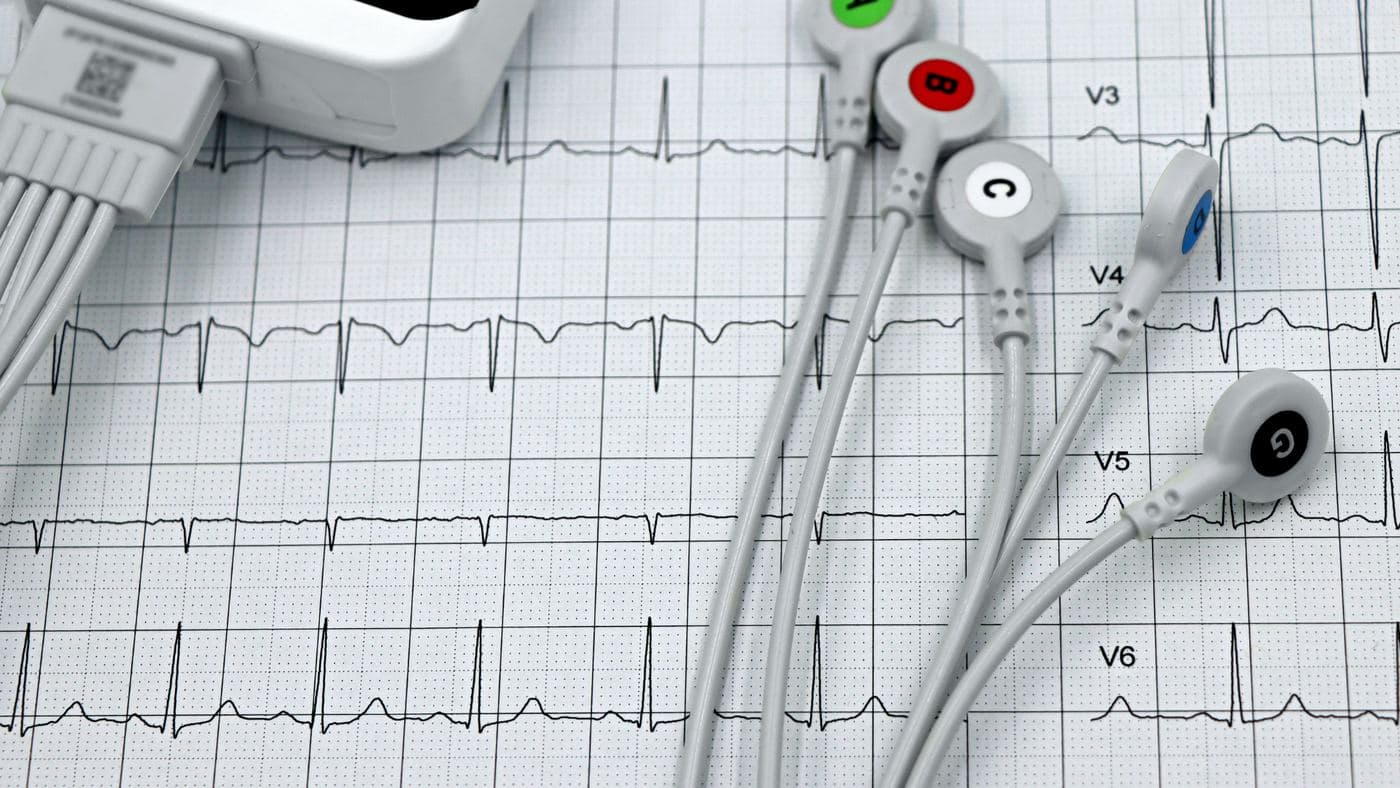
People are often unsure what an echocardiogram involves. It sounds more complex than it actually is. In reality it is one of the most useful and straightforward ways of assessing the heart in everyday cardiology practice.
An echocardiogram is a type of ultrasound scan that allows us to see the heart in real time. It shows how the heart muscle moves, how well it pumps, and how the valves are functioning. The test is completely non-invasive and does not involve radiation.
It is often one of the first investigations arranged when a clear picture of how the heart is working is needed, and it forms a key part of the diagnostic tests used in cardiology.
What an Echocardiogram Actually Shows
An echocardiogram uses sound waves to create detailed images of the heart. A small handheld device, known as a probe, is placed on the chest. This probe sends out sound waves, which bounce off the structures of the heart and return to create moving images on a screen.
These images allow us to assess several important aspects of heart function:
How well the heart muscle contracts and relaxes
The size and shape of the heart chambers
Whether the heart valves open and close properly
Blood flow through the heart
One of the most valuable aspects of an echocardiogram is that it gives us a live view. We are not looking at a static image. We are watching the heart beat in real time.
Why an Echocardiogram Is Recommended
There are many situations where an echocardiogram provides important information.
It is commonly requested when symptoms such as these are present:
Fatigue or reduced exercise tolerance
It is also used to assess known cardiac conditions, including cardiomyopathy, heart failure, and conditions such as coronary artery disease). It can also help investigate abnormal findings from other tests such as an electrocardiogram (ECG) or concerns about heart rhythm disorders).
A single scan can provide a great deal of information. It shows whether the heart muscle is contracting normally, whether the valves are working as they should, and whether there are structural changes that need further attention.
What Happens During the Test
The echocardiogram itself is simple and painless.
You will usually lie on your side on an examination couch. A small amount of gel is applied to the chest, which helps the probe make good contact with the skin.
The clinician then moves the probe across different areas of the chest to obtain images from multiple angles.
You may be asked to change position slightly or hold your breath for a few seconds at certain points. This helps improve the clarity of the images.
The test usually takes between 20 and 40 minutes.
Nothing is injected and nothing enters the body during the test. The probe simply sends and receives sound waves.
Different Types of Echocardiogram
While the standard echocardiogram is performed through the chest, there are a few variations depending on what we need to assess.
Transthoracic Echocardiogram
This is the most common type. It is performed using a probe on the chest and provides a detailed overview of heart structure and function.
Stress Echocardiogram
This type of echocardiogram is performed before and after exercise, or with medication that increases the heart rate.
It helps us understand how the heart performs under stress and can reveal problems with blood flow that are not visible at rest, particularly in coronary artery disease which may require further imaging such as a CT coronary angiography.
Transoesophageal Echocardiogram
In certain situations, a probe is passed into the oesophagus to obtain clearer images of specific parts of the heart.
This is used when more detailed imaging is required, particularly for assessing heart valves or detecting clots.
What the Results Mean
An echocardiogram provides a large amount of information, but one of the key measurements we assess is how well the heart pumps blood. This is often described using a value called the ejection fraction.
We also look carefully at:
Valve function
Chamber size
Blood flow patterns
Signs of strain or thickening in the heart muscle
A common misconception is that any variation on the scan indicates a serious problem. In reality, many findings are mild and simply require monitoring.
What matters is interpreting the results in the context of the patient’s symptoms and overall health.
What an Echocardiogram Cannot Do
Although the echocardiogram is extremely useful, it does have limitations.
It does not directly show the coronary arteries in detail, so it cannot always detect blockages in the same way as a CT coronary angiography.
It also provides a snapshot of heart function at a particular moment. Some conditions that occur intermittently, such as heart rhythm disorders, may require additional monitoring.
This is why cardiology often involves combining different tests to build a complete picture.
Common Concerns About the Test
People often worry far more about this test than they need to.
A common assumption is that an echocardiogram will be uncomfortable or complicated. In reality it is a painless, non-invasive scan, carried out with a probe held against the chest.
The scan either shows a heart that is working normally, or it identifies a change that can then be monitored or treated. Both outcomes are useful, because both replace uncertainty with information.
That early insight is one of the biggest advantages of this test.
The Role of Echocardiography in Modern Cardiology
Echocardiography has become a central part of everyday cardiology.
It allows us to make quicker decisions, tailor treatment more precisely, and monitor changes in heart function over time.
Combined with digital innovation and remote monitoring, it is helping us move towards more personalised, patient-centred care.
However, the most important aspect remains how we use the information. A scan is only as useful as the clinical judgement behind it.
Supporting Your Heart Health
While investigations such as an echocardiogram are important, long-term heart health still comes back to daily habits.
Consistent routines such as regular physical activity, balanced nutrition, and managing stress all support the heart’s function.
Simple habits repeated over time can have a significant impact.
Even a daily walk in the fresh air, protecting sleep, and maintaining a balanced routine can help reduce cardiovascular risk.
Conclusion
An echocardiogram is a safe, non-invasive test that uses ultrasound to assess how the heart looks and functions in real time. It provides valuable information about the heart muscle, valves, and blood flow, helping doctors diagnose and monitor a wide range of conditions.
For most people the test is straightforward and painless. It often provides clear information and helps guide the next steps in care.
If you have been advised to have an echocardiogram or would like a detailed assessment of your heart health, contact me to arrange a consultation and discuss the most appropriate investigations for your individual situation.
Keep reading