
Conditions
What is pericarditis and how is it treated?
Pericarditis diagnosis and treatment in Kingston with expert cardiology assessment, ECG, echocardiography and personalised care.
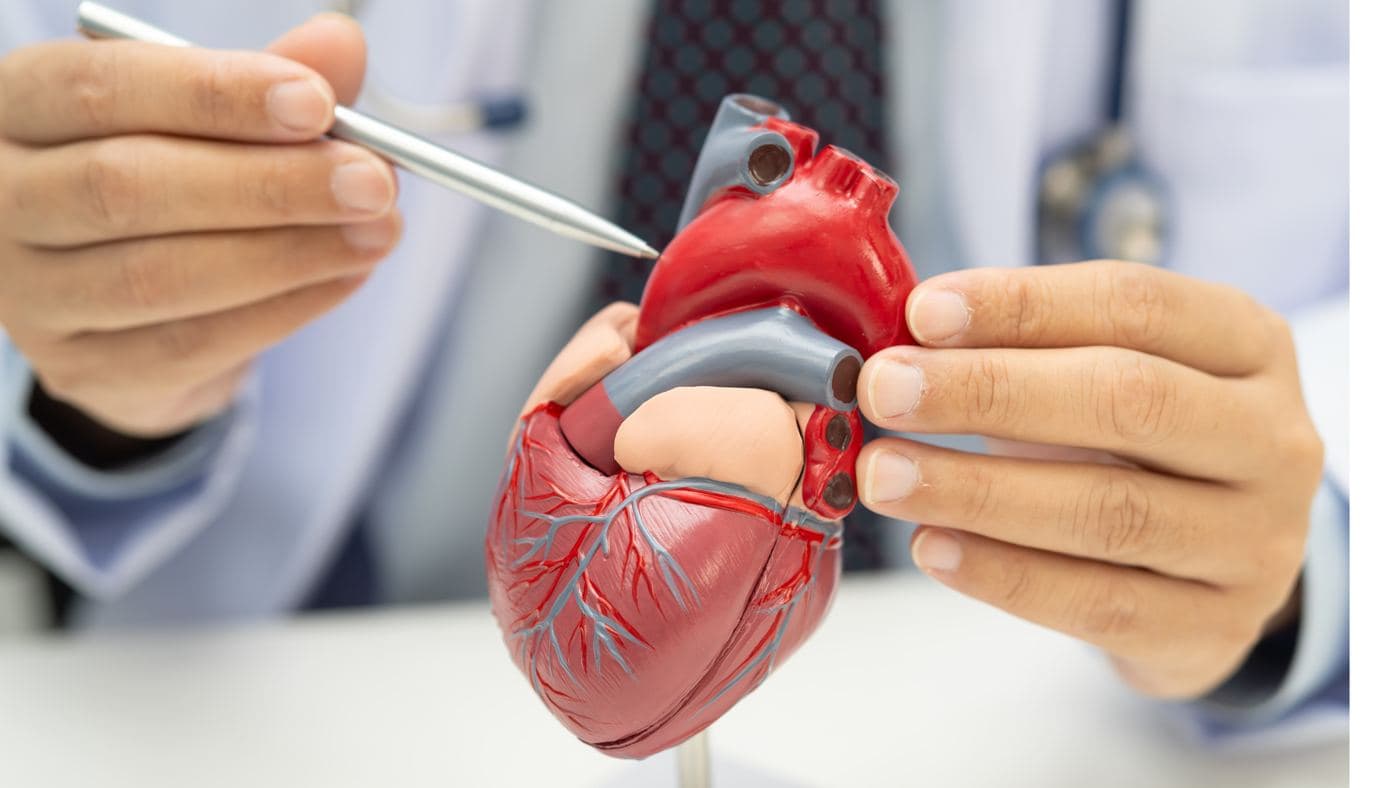
Pericarditis is inflammation of the pericardium, the thin, two-layered sac that surrounds your heart. When the pericardium becomes inflamed, the two layers rub against each other and produce a characteristic sharp chest pain, usually worse when you lie flat and noticeably better when you sit up and lean forward. The good news is that pericarditis is usually not dangerous, and the NHS advises that most people feel better within a few weeks. Treatment is typically a course of anti-inflammatory medication, often combined with a second medication called colchicine to reduce the risk of the inflammation returning.
Pericarditis is one of the more reassuring diagnoses in cardiology when chest pain turns out not to be a heart attack. That said, it does need to be properly assessed, properly distinguished from other causes of chest pain, and properly followed up to reduce the chance of recurrence. Most cases settle with simple anti-inflammatory treatment and a short period of rest, while a smaller number need closer monitoring for recurrent or persistent symptoms. Getting the diagnosis right early is what gives you the best chance of a smooth, full recovery.
What's Actually Happening Inside the Chest
Your heart sits inside a small sac called the pericardium. The pericardium has two thin layers with a tiny amount of fluid between them, which acts like a lubricant and lets the heart move smoothly as it beats. When the pericardium becomes inflamed, the two layers can rub together, and a small amount of extra fluid can collect between them. This is what produces the pain and the other typical symptoms.
Pericarditis can be acute (lasting less than three months and usually resolving within a few weeks of treatment), recurrent (returning after an initial recovery), or chronic (lasting longer than three months). Acute pericarditis is the form most people present with, often triggered by a recent viral illness. Most recover fully, and many never have another episode.
The Symptoms to Look For
The classic symptom is chest pain, but it has a specific pattern that helps distinguish pericarditis from other cardiac causes. The pain is usually sharp or stabbing rather than the pressure or tightness that's typical of angina. It tends to sit in the centre or left side of the chest, and it can spread to the shoulders, the neck, or the upper back.
The strongest pointer towards pericarditis is the positional nature of the pain. It typically gets worse when you lie flat, breathe in deeply, cough or swallow, and it often eases significantly when you sit up and lean forward. That single feature, pain that improves when sitting forward, is one of the most reliable bedside clues in this diagnosis.
Other symptoms can include:
A low-grade fever
A dry cough
Fatigue or a general feeling of being unwell
Mild breathlessness, particularly with exertion
Palpitations or a fluttering sensation in the chest
Many patients describe a flu-like illness in the week or two before the chest pain starts, which fits with the most common underlying cause.
What Causes Pericarditis
In most cases of pericarditis, the underlying cause is a viral infection. Common cold viruses, flu, and other respiratory viruses can all trigger inflammation of the pericardium, usually a week or two after the original illness has resolved. In a large proportion of cases no specific cause is ever identified, and this is labelled idiopathic pericarditis, which is presumed to be viral in most instances.
Other causes worth looking for include:
Bacterial infection. Rare in the UK, but a serious diagnosis when it does occur.
Autoimmune conditions. Lupus, rheumatoid arthritis and certain other inflammatory conditions can affect the pericardium.
Post-heart attack inflammation. Sometimes called Dressler's syndrome, this can develop weeks after a heart attack as the immune system reacts to damaged heart tissue.
After cardiac surgery. A similar inflammatory response can follow heart surgery or other cardiac procedures.
Kidney failure. Advanced kidney disease can cause a specific form known as uraemic pericarditis.
Cancer or its treatment. Some cancers, and certain chemotherapy or radiotherapy treatments, can affect the pericardium.
Trauma. A chest injury, even one that didn't seem serious at the time, can occasionally trigger pericarditis.
Identifying an underlying cause changes the treatment in only a minority of cases. For most patients, especially those whose symptoms followed a viral illness, the focus is on treating the inflammation rather than chasing a specific trigger, although a specific cause is always worth excluding where the history or the blood results point to one.
How Pericarditis Is Diagnosed
The diagnosis starts with a careful history. The positional chest pain pattern, combined with a recent viral illness, often points strongly towards pericarditis before any tests are done. A thorough examination follows, and one of the things listened for is a pericardial rub, a scratchy or creaking sound caused by the inflamed layers of the pericardium rubbing together. When it's present, it's one of the more specific clinical signs in cardiology, although it isn't heard in every case.
The investigations typically arranged include:
An ECG. Pericarditis often produces a characteristic pattern on the ECG, with widespread changes that are different from those seen in a heart attack. This is one of the most useful tests for confirming the diagnosis.
Blood tests. These look for raised inflammatory markers (CRP and ESR), a normal or modestly raised troponin (which helps distinguish pericarditis from a heart attack), and sometimes tests for autoimmune or infectious causes if the clinical picture suggests them.
An echocardiogram. This looks for a pericardial effusion, which is a build-up of fluid between the layers of the pericardium. Most effusions are small and don't need any specific treatment, but a few can become large enough to need drainage.
A cardiac MRI. This is reserved for cases where the diagnosis is unclear, where pericarditis keeps recurring, or where there is concern about more complex forms such as constrictive pericarditis. Cardiac MRI can show inflammation of the pericardium very clearly and is one of the most useful tools for the difficult cases.
In most cases a focused assessment with a thorough history, an ECG and blood tests is enough to make a confident diagnosis. Where it isn't, or where the picture is unusual or the symptoms keep returning, the additional imaging is what settles the question.
How Pericarditis Is Treated
Most patients with acute pericarditis are treated as outpatients with simple measures. The cornerstones of treatment are anti-inflammatory medication and rest.
Anti-inflammatory medication. Non-steroidal anti-inflammatory drugs, usually ibuprofen, are the first-line treatment. They reduce the inflammation in the pericardium and ease the pain, often within a few days. We'll usually prescribe a relatively high dose to start with and then taper it over a couple of weeks. Aspirin is preferred in patients who've recently had a heart attack. A stomach-protecting medication is often added because anti-inflammatories can irritate the stomach lining.
Colchicine. This is an older anti-inflammatory medication that has become an important addition to pericarditis treatment over the past decade. Added to conventional anti-inflammatory treatment for around three months, colchicine roughly halves the rate of recurrence. In the ICAP randomised trial, pericarditis was persistent or came back within 18 months in 16.7 per cent of patients given colchicine, compared with 37.5 per cent of those given a placebo. That is why it is added rather than relying on anti-inflammatories alone, and it is one of the clearest examples in cardiology of a simple medication making a substantial difference to long-term outcomes.
Rest. Strenuous exercise should be avoided until the symptoms have settled and the inflammatory markers in the blood have returned to normal. Dr Jogiya will usually advise stepping back from competitive sport, gym workouts or running until the inflammation has clearly resolved. Gentle walking and normal daily activities are usually fine.
Treating the underlying cause. If a specific cause has been identified, such as a bacterial infection or an autoimmune condition, treating that directly is essential.
Steroids. Corticosteroids are usually held in reserve for patients who don't respond to ibuprofen and colchicine. They are used cautiously, because in some patients they can increase the risk of recurrence.
Drainage of a large effusion. If the echocardiogram shows a large pericardial effusion that's affecting how the heart fills with blood, a procedure called pericardiocentesis may be needed. This is reserved for a small minority of cases.
Most patients feel significantly better within days of starting treatment, and most people are back to normal within a few weeks. The full course of colchicine continues for three months even after symptoms have settled, because that's what gives the best protection against recurrence.
Recurrence and Long-Term Outlook
The honest reality is that pericarditis can come back. European guidance puts recurrence at around 15 to 30 per cent after a first episode, and the risk is higher in people who were not given colchicine. Recurrence isn't a sign that the original diagnosis was wrong or that the treatment failed. It reflects the underlying biology of how the pericardium responds to inflammation.
The patients who do best with recurrent pericarditis tend to be those who:
Complete a full course of colchicine, even when they feel well
Avoid stopping anti-inflammatories too early
Build back to exercise gradually rather than rushing back to competitive activity
Have a clear follow-up plan with a cardiologist who can adjust treatment if symptoms return
For the small number of patients who develop multiple recurrences or chronic symptoms, specialist input becomes essential. Longer-term colchicine, immunomodulatory medications, and occasionally cardiac surgery for the very rare cases of constrictive pericarditis are all options.
The much rarer but more serious complications, cardiac tamponade (where a large effusion compresses the heart) and constrictive pericarditis (chronic scarring of the pericardium leading to heart failure), are uncommon but worth knowing about. Both are reasons why anyone with pericarditis should have proper imaging and at least one cardiology review before being discharged from follow-up.
When to Seek Urgent Help
Any sudden, severe chest pain warrants urgent assessment. If your pain is severe and lasting more than 15 minutes, doesn't ease with sitting forward, comes with sweating, breathlessness, or a feeling of impending doom, call 999. This may be a heart attack, and time genuinely matters.
If you've been diagnosed with pericarditis and your symptoms get worse, your breathlessness increases significantly, your ankles start to swell, or you become aware of new palpitations, you need to be assessed urgently. Call 999 if the breathlessness comes on suddenly or is severe, or if you feel faint or lose consciousness. Otherwise contact your GP urgently or call 111 the same day. These can occasionally be signs of a developing effusion or another complication, and they should not wait for a routine appointment.
Once anything urgent has been excluded, ongoing or recurrent chest pain that fits the pericarditis pattern warrants a proper cardiology assessment, particularly where previous episodes have not yet had confirmatory imaging or a clear follow-up plan.
Conclusion
Pericarditis sounds frightening, but for the vast majority of patients it's a self-limiting inflammatory condition that responds well to straightforward treatment. The key is getting the diagnosis right early, ruling out the things it can mimic, starting the right combination of anti-inflammatory medication and colchicine, and making sure there's a sensible follow-up plan to reduce the risk of recurrence. With those pieces in place, most patients are back to full normal activity within a few weeks and stay well long term.
If you've recently been diagnosed with pericarditis, are experiencing chest pain that fits this pattern, or have had recurrent episodes that aren't fully resolving, you can contact me, Dr Roy Jogiya, at Kingston Cardiologist to arrange a private consultation across Kingston-upon-Thames, Wimbledon, or central London. Appointments are available in person and virtually, with full diagnostic support including ECG, echocardiography, and onward cardiac MRI if needed, which can often be coordinated alongside or following consultation.