
Conditions
What is a heart murmur and should you be concerned?
Most heart murmurs are harmless. The symptoms that mean a cardiologist should check yours, and how an echocardiogram shows what is causing it.
A heart murmur is an extra sound heard during a heartbeat, usually a soft swishing or whooshing noise between the regular "lub-dub" beats. It's caused by blood flowing through the heart in a way that creates a little more turbulence than usual, and your doctor picks it up by listening to your chest with a stethoscope. The short answer to whether you should be concerned is that it depends entirely on what's causing it. Many heart murmurs are completely harmless and never need any treatment. Others can be an early signal of a heart valve problem or another structural condition that benefits from being identified, tracked and, where necessary, treated.
When a GP or another doctor uses the word "murmur", patients often start worrying. That is understandable, but it isn't usually warranted. Many murmurs referred for cardiology assessment turn out to be innocent, or to reflect a mild valve change that needs nothing more than gentle monitoring over time. Others do point to something that benefits from proper management, and the value of a specialist review is that it separates the two clearly, so you know where you stand.
Why heart murmurs happen
Your heart contains four chambers and four one-way valves. With each beat, blood passes through the valves in a coordinated sequence, and the familiar "lub-dub" sound is produced by the valves closing. A murmur is the sound of blood moving in a slightly different way, either because it's flowing faster, because it's passing through a slightly narrowed opening, or because a small amount is leaking back through a valve that hasn't quite closed properly.
The two broad reasons this happens are functional (the heart and valves are structurally normal but blood is flowing more vigorously than usual) and structural (something about the heart itself is different from what we'd expect). Functional or "innocent" murmurs are very common in children, in young adults, in pregnancy and in athletes, and they often disappear or change with time. Structural murmurs reflect a difference in the heart muscle, the valves or, in some cases, a small congenital connection that has been present since birth.
Innocent murmurs
Innocent murmurs (sometimes called physiological or functional murmurs) are extremely common, particularly in younger people. They're soft, short, and they often vary with body position or breathing. They are common in babies and children, and they usually go away as the child grows. In adults, they appear most often during pregnancy, fever, anaemia, an overactive thyroid, or simply during periods of vigorous exercise, when the heart is pumping more blood than usual.
An innocent murmur is not a sign of disease. It doesn't require treatment, it doesn't restrict your activities, and it usually doesn't need any follow-up beyond a baseline check to confirm the heart structure is normal. In most cases an innocent murmur can be confirmed at a single consultation, with an examination and an echocardiogram to settle the question.
Pathological murmurs
Pathological murmurs are caused by an underlying structural issue, most commonly heart valve disease. The two main types of valve problem are:
Stenosis. The valve has become narrowed or stiff, so the heart has to push harder to move blood through it. Aortic stenosis is the most common form in older adults.
Regurgitation, where the valve doesn't close completely, so a small amount of blood leaks backwards with each beat. Mitral regurgitation and aortic regurgitation are the most common forms, and they can range from very mild and clinically irrelevant to significant enough to need treatment.
Other causes include cardiomyopathy (a change in the heart muscle itself), congenital differences (a small hole between two chambers, or a valve that has been mildly abnormal since birth), and, less commonly, infection of a valve (endocarditis), which is always a serious diagnosis and needs prompt treatment.
The key features that push a murmur towards a pathological label are its timing (diastolic murmurs, those heard between heartbeats, are almost always abnormal), its loudness, where it's heard on the chest, and whether it changes with position or breathing. A specialist can often narrow down the likely cause from the bedside examination alone, and the echocardiogram then confirms the picture.
When to worry about a heart murmur
Most heart murmurs are harmless. A murmur is worth a cardiologist's check if it comes with breathlessness, chest pain, dizziness or fainting, palpitations, swollen ankles or tiredness that has crept up, or if an old murmur was never reassessed and new symptoms have appeared. Severe chest pain, sudden severe breathlessness or blacking out mean calling 999.
Many murmurs cause no symptoms at all and are picked up incidentally during a routine examination, a pre-operative check or an unrelated GP appointment. When symptoms are present, they're often what bring the murmur to medical attention in the first place. The symptoms that should be taken seriously include:
Breathlessness, particularly on exertion or when lying flat
Chest pain or pressure, especially with effort
Dizziness, light-headedness or fainting
Persistent palpitations or a sense of irregular heartbeat
Swollen ankles or legs
Unexplained fatigue that has crept up over weeks or months
These symptoms don't mean a murmur is dangerous. They mean the murmur deserves to be properly evaluated, because a murmur together with any of these symptoms changes the clinical picture. Chest pain that is severe or does not settle, sudden severe breathlessness, or blacking out are different, and mean calling 999 rather than waiting for an appointment. A murmur that was noted years ago and has never been reassessed is worth revisiting if new symptoms appear, because valve disease can progress slowly and quietly, and it is easier to manage when it is picked up early.
How a heart murmur is diagnosed
The first step is a careful clinical examination. Listening to the heart in different positions, while breathing in and out, and after a small amount of exertion can tell an experienced cardiologist a great deal about whether a murmur is likely to be innocent or significant. An echocardiogram is used to confirm the picture wherever there is any uncertainty.
An echocardiogram (a heart ultrasound) is the gold-standard test. It shows the structure and motion of each valve, measures the speed and direction of blood flow, and quantifies the severity of any narrowing or leak. It's painless, involves no radiation, and takes around 30 to 45 minutes. It is more informative than blood tests or a chest X-ray for identifying the cause of a murmur, because it directly visualises the valves and chambers rather than picking up indirect signs.
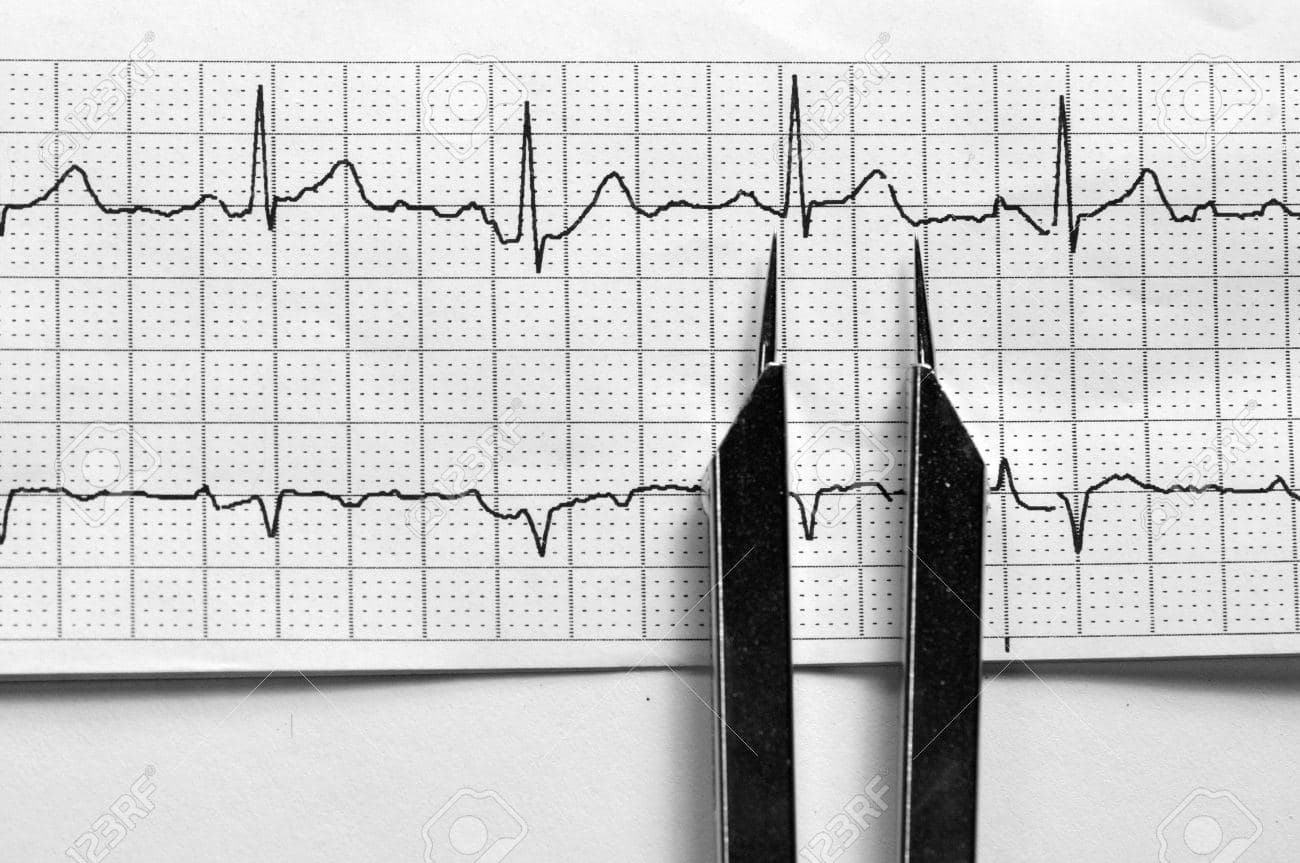
An ECG can often be carried out alongside the consultation. It looks at the heart's electrical activity and can pick up signs of strain, enlargement or rhythm problems that often sit alongside structural valve disease. In selected cases, further imaging such as a cardiac MRI or a stress echocardiogram may be helpful, particularly when the question is whether a borderline valve problem is significant enough to be causing symptoms.
What treatment looks like
Treatment depends on the cause and severity, and it falls into roughly four categories.
No treatment needed. For innocent murmurs and many very mild valve changes, no treatment of any kind is required. Dr Jogiya will usually arrange a baseline echocardiogram for reassurance, with routine follow-up only if symptoms develop.
Monitoring. For mild to moderate valve disease without symptoms, regular review with an echocardiogram every one to three years is standard. The frequency depends on the underlying condition and how stable it has been over time.
Medication. Some causes of murmurs, particularly when accompanied by high blood pressure, atrial fibrillation or heart failure, benefit from medication that reduces the workload on the heart, controls the rhythm, or prevents clot formation. The murmur itself isn't usually "treated" with medication, but the wider condition is.
Procedural treatment. Significant aortic stenosis, severe mitral regurgitation and other major valve problems may need a procedure to repair or replace the valve. Modern keyhole techniques like TAVI (transcatheter aortic valve implantation) and MitraClip mean that many patients who would once have needed open-heart surgery can now be treated through a small puncture in the groin with much faster recovery. Decisions about timing are made carefully, and the patients who do best are those whose condition has been tracked properly over the years before the procedure becomes necessary.
Common worries patients bring to clinic
A few questions come up over and over again, and they're worth addressing.
"Does having a murmur mean I have heart disease?" Not necessarily. Many murmurs are innocent. The point of the assessment is to confirm that.
"Can a murmur appear later in life?" Yes. Valve disease, particularly aortic stenosis, often develops gradually as we age, and many adult-onset murmurs are picked up in patients in their sixties and seventies.
"Do I need to restrict my activity?" For an innocent murmur, no. For a structural murmur, the answer depends on the severity, and it is discussed individually. Most patients with mild to moderate valve disease can continue to exercise normally.
"Will I need surgery?" The majority of patients with a heart murmur never need any procedural treatment. Surgery and keyhole interventions are reserved for significant valve disease, and the timing is carefully chosen to maximise long-term outcomes.
When to speak to a cardiologist
If you have sudden or severe breathlessness, chest pain that does not settle, or you black out, treat that as an emergency and call 999. If symptoms are worrying but not an emergency, contact NHS 111 or ask your GP for an urgent appointment. Where nothing urgent is going on, a murmur that has been mentioned during a medical examination and never formally assessed is worth a proper cardiac review, and the same goes for anyone with a known murmur who has noticed new symptoms such as breathlessness, dizziness, palpitations or reduced exercise tolerance. The earlier a murmur is characterised, the simpler the management tends to be, and the more options are available if treatment is ever needed.
A specialist consultation will typically include a careful history, a thorough listen to the heart, an ECG and, where indicated, an echocardiogram. Investigations can often be coordinated alongside or following consultation, so the picture can usually be brought together without a long series of separate appointments.
Conclusion
A heart murmur is not, on its own, a diagnosis. It's a finding on examination that asks a question, and the value of a proper cardiology assessment is in answering that question clearly. Most murmurs turn out to be either innocent or to reflect a mild change that simply needs occasional monitoring. A smaller proportion point to something more significant, and identifying these early is what gives you the best chance of staying well over the long term. Either way, knowing where you stand removes the uncertainty, and that in itself is one of the most useful things a consultation can offer.
If you've recently been told you have a heart murmur, are experiencing symptoms that concern you, or would like a clear specialist opinion, you can contact me, Dr Roy Jogiya, at Kingston Cardiologist to arrange a private consultation across Kingston-upon-Thames, Wimbledon, or central London. Appointments are available in person and virtually, with full diagnostic support including ECG and echocardiography, which can often be coordinated alongside or following consultation.