
Prevention
The link between high cholesterol and heart disease
How high cholesterol leads to heart disease, why it causes no symptoms, what the numbers on a result mean, and where statins and a specialist review fit in.
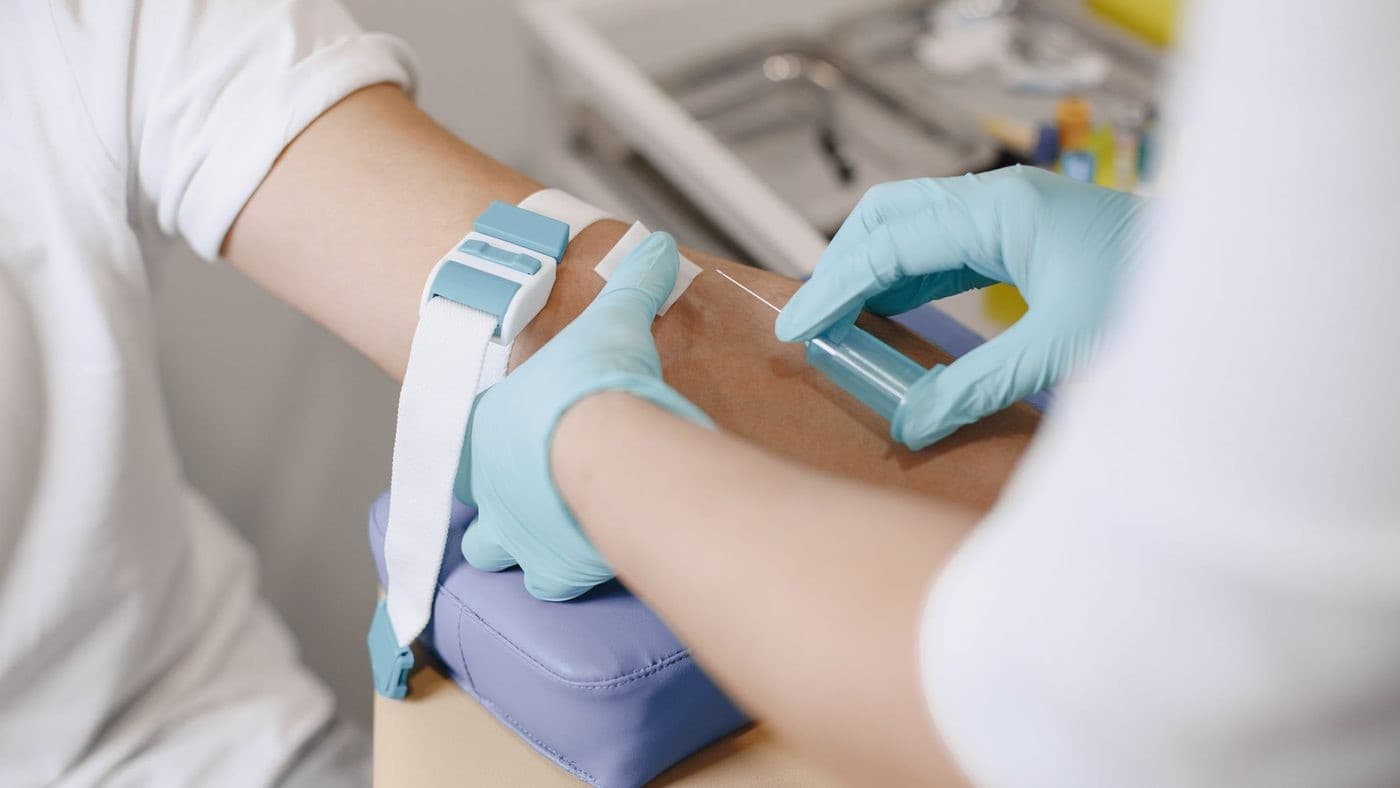
High cholesterol is one of the most common reasons a healthy adult is told they are at risk of heart disease, and one of the least understood. It causes no pain, no breathlessness and no warning of any kind. You can only find out if you have it from a blood test, which is why so many people first hear about it at a routine check rather than because something felt wrong.
That silence is the problem. When high cholesterol finally makes itself known, it is usually as a narrowed artery, chest pain on exertion or a heart attack. Understanding how one leads to the other is the first step in making sure it never gets that far, and it sits at the centre of a cardiovascular risk and prevention appointment.
What Cholesterol Actually Is
Cholesterol is a fatty substance made naturally in your liver, and some of it is essential. Your cells use it to stay healthy. The trouble starts when there is more of it in the blood than the body needs.
Cholesterol travels around the body attached to proteins, and the combination is called a lipoprotein. There are two broad kinds, and they behave very differently.
- HDL, often called good cholesterol, carries cholesterol you do not need back to the liver, where it is broken down and removed from the body.
- Non-HDL, often called bad cholesterol, carries cholesterol from the liver out to the cells. Most of it is LDL. When there is too much, it gets stuck to the walls of the arteries.
Alongside these sit triglycerides, another type of fat in the blood. Too much of it can also narrow the arteries, and it is usually measured in the same blood test.
How It Damages the Arteries
When excess cholesterol settles in the artery wall, it forms fatty deposits that gradually build up and narrow the vessel. This process is called atherosclerosis, and it develops over many years without any symptoms at all.
In the arteries that supply the heart muscle, that narrowing is coronary artery disease. A partly narrowed artery may let enough blood through at rest but not when the heart is working harder, which is why the first symptom is often angina, a tightness or heaviness in the chest that comes on with exertion and settles with rest.
If a fatty deposit becomes unstable and a clot forms over it, the artery can block suddenly. In a coronary artery that is a heart attack. In an artery supplying the brain it is a stroke. This is why cholesterol is described as a risk factor rather than a disease. It does not cause harm directly. It creates the conditions in which these events become more likely.
Why It So Often Goes Unnoticed
Most people with high cholesterol have no symptoms, which is why the British Heart Foundation calls it a hidden risk factor. Feeling well tells you nothing about your cholesterol level.
In England, adults aged 40 to 74 who do not already have a condition such as heart disease, diabetes or kidney disease should be invited for a free NHS Health Check every five years, and it includes a cholesterol test. If you have never been invited and think you are eligible, your GP practice is the place to ask.
A few people do have visible clues. In the inherited form of high cholesterol there can be small yellow patches on the skin around the eyes, lumps over the tendons at the knuckles or the back of the ankle, or a pale ring around the coloured part of the eye. These signs are rare, and their absence is no reassurance at all.
Making Sense of a Cholesterol Result
A cholesterol test, sometimes called a lipid profile, usually reports several numbers. The NHS gives a guide to healthy levels for adults.
- Total cholesterol below 5mmol/L.
- HDL, the good cholesterol, above 1.0mmol/L for men or above 1.2mmol/L for women.
- Non-HDL, the bad cholesterol, below 4mmol/L.
Two points are worth knowing. According to the NHS, it does not make much difference to these levels whether you have eaten before the test. And these figures are a guide for healthy adults rather than a target that applies to everyone. What counts as a good level for you depends on your age, your other health conditions and your overall risk.
That overall risk is usually expressed as a QRISK score, which estimates the chance of a heart or circulation problem over the next ten years. It combines your cholesterol with your age, your blood pressure and other factors, which is why two people with the same cholesterol result can be given quite different advice. A number that looks borderline on its own can matter a great deal alongside smoking, diabetes or a strong family history, and the reverse is also true. The main risk factors for heart disease are far more useful read together than one at a time.
When High Cholesterol Runs in the Family
For most people, high cholesterol reflects a mix of diet, activity, weight, age and genetics. For some, genetics is most of the story.
Familial hypercholesterolaemia, usually shortened to FH, is an inherited condition in which the liver cannot clear LDL cholesterol properly, so levels are high from birth. The British Heart Foundation estimates it affects about 1 in every 250 people, around 270,000 people in the UK, and that many of them do not know they have it. A parent with FH has a 1 in 2 chance of passing it to each child. Because the cholesterol has been high for a lifetime, the risk of heart disease is higher and it tends to come at a younger age, which is why a heart attack or stroke in a young close relative is such an important piece of history.
There is also lipoprotein(a), or Lp(a), a particle whose level is set by the genes you inherit. A high level raises the risk of heart attack and stroke, and it is not affected by lifestyle. It is not routinely checked, and the British Heart Foundation notes it only needs measuring once. It is most relevant where there is a family history of early heart disease or of a high Lp(a) level. How family history can influence your heart health looks at this side of risk in more detail.
Bringing It Down
Lifestyle is the foundation for everyone, whatever else turns out to be needed. The British Heart Foundation's advice centres on four changes.
- Eating less saturated fat, for example swapping butter for an olive spread, or meat for fish.
- Being more active, which can be as simple as walking every day.
- Cutting down on alcohol.
- Stopping smoking, with support from a pharmacy or GP.
One common worry can be put aside. For most people, the cholesterol in foods such as eggs or prawns does not have much effect on blood cholesterol. Saturated fat is the part of the diet worth focusing on.
When lifestyle changes are not enough, or the risk is high from the outset, medication is usually considered. Statins are the most widely used, and they work by lowering the amount of cholesterol the body makes. According to the NHS they may be offered if your risk is raised and lifestyle changes have not helped or are unlikely to help on their own, or if you already have cardiovascular disease. They are usually taken long term, and they should not be stopped without talking to a doctor first.
Side effects such as headaches or muscle pain can happen, though not everyone gets them. If they do, the NHS notes that a doctor may prescribe a different statin or change the dose, and for people who cannot take statins there are alternatives, including other tablets and injections. Dr Jogiya has spoken about statins in the national press, including who they are genuinely for.
Where a Cardiologist Fits
Most high cholesterol is found and managed well in general practice. A specialist opinion adds the most when the picture is less straightforward.
- A very high result, or one that suggests an inherited cause.
- A parent, brother or sister who had heart disease or a stroke at a young age.
- Difficulty tolerating statins, or real uncertainty about whether you need one at all.
- Cholesterol sitting alongside raised blood pressure, diabetes or symptoms such as chest discomfort on exertion.
- An existing heart condition, where the recommended levels are often lower.
Chest pain that is severe, has lasted more than 15 minutes or does not ease with rest, or that comes with sweating, sickness or breathlessness, is an emergency, so call 999 rather than waiting for an appointment. New or rapidly worsening chest pain on exertion should be discussed urgently with your GP or NHS 111.
Dr Jogiya has a specialist interest in cardiovascular disease prevention and risk factor management, including high cholesterol, high blood pressure and a strong family history. A prevention appointment looks at those things together rather than one reading at a time, and can include blood tests and other investigations where they would add something. If you are unsure how it works, what to expect at an appointment is set out in full, and you do not need a GP referral to be seen privately.
Conclusion
High cholesterol is common, silent and very treatable. It does its damage slowly, by building fatty deposits in the artery walls that eventually narrow or block them, and the only way to know your level is a blood test. The numbers on a result only mean something alongside the rest of your risk, which is why age, blood pressure and family history matter as much as the cholesterol figure itself.
For most people, lifestyle changes and, where needed, a statin bring that risk down. For those with an inherited form, a strong family history or a result that does not fit the usual pattern, a specialist review is worth having early rather than after the first heart attack or stroke.
If you have had a high cholesterol result, have a family history of early heart disease, or would like a clear view of your overall cardiovascular risk, you can contact me, Dr Roy Jogiya, at Kingston Cardiologist to arrange a cardiovascular risk assessment in Kingston upon Thames or central London. Appointments are available in person and by video, with blood tests and further investigations arranged where they are needed.