
Prevention
Which types of exercise are best for your heart?
Discover the best exercises for heart health, from walking and strength training to HIIT, with expert cardiology advice.
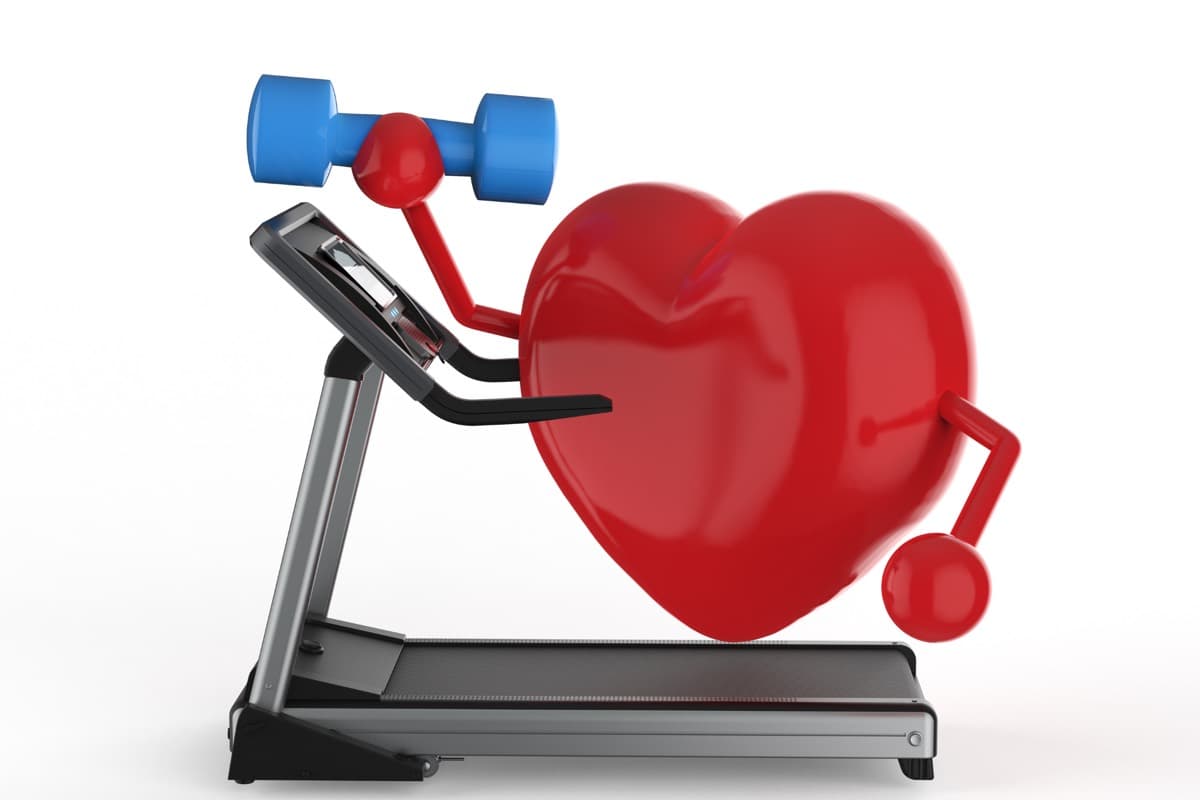
The short answer is that the best exercise for your heart is a combination of aerobic activity (the kind that raises your heart rate and gets you slightly out of breath) and resistance training (the kind that builds and preserves muscle), done consistently across the week. National guidance recommends at least 150 minutes of moderate aerobic activity, or 75 minutes of vigorous activity, plus two sessions of muscle-strengthening work each week. That framework isn't arbitrary. It reflects decades of research showing that these two forms of exercise together deliver benefits that neither can achieve alone.
The most important thing, though, isn't the specific type of exercise you choose. It's whether you can genuinely sustain it. Consistency matters more than perfection. Lasting changes to cardiovascular health tend to come from small, repeatable habits rather than from joining a gym. A daily 20-minute walk in the fresh air, done reliably for a decade, moves the needle far more than a punishing routine that gets abandoned after six weeks.
Why Exercise Matters So Much for Your Heart
Regular exercise is one of the most powerful tools we have in cardiology. It's not a bit of general health advice bolted on to the "real" treatment. It's a treatment in its own right, with effects that are comparable to some of our most useful medications.
Regular movement lowers your blood pressure, improves your cholesterol profile (raising HDL and lowering LDL), reduces your resting heart rate, improves how your body handles blood sugar, reduces inflammation, and helps you maintain a healthy weight. It also improves sleep and mood, both of which have their own cardiovascular consequences. Over time, these effects add up to a significantly lower risk of coronary heart disease, heart attack, stroke and heart failure.
Even relatively modest amounts help. Meeting the recommended 150 minutes a week of moderate exercise improves the cholesterol profile and lowers blood pressure. Regular movement also sits alongside the other habits that matter, from healthier eating to better sleep and lower alcohol intake.
Aerobic Exercise, The Foundation
Aerobic exercise, sometimes called cardio, is the type that raises your heart rate and breathing rate for a sustained period. It's the most studied form of exercise for cardiovascular health and remains the foundation of any heart-healthy programme.
Examples of moderate-intensity aerobic activity include brisk walking, cycling on flat ground, swimming, dancing and gentle jogging. At this intensity, you should be able to talk in short sentences but not sing. Examples of vigorous activity include running, cycling uphill, playing tennis or fast swimming, at an intensity where you can only get out a few words between breaths.
The national physical activity guidelines suggest at least 150 minutes of moderate or 75 minutes of vigorous activity each week. In practice, this can be broken down however suits you. Ten minutes twice a day counts. Two longer weekend sessions plus three shorter ones during the week count. Any regular pattern that adds up to the total is genuinely useful.
Walking is one of the most underrated forms of aerobic exercise. It's free, requires no equipment, involves almost no injury risk, and is easy to build into everyday life. A daily 20-minute walk in the fresh air is one of the most sustainable habits there is, and the cardiovascular benefits over years are substantial.
Resistance Training, Increasingly Recognised as Essential
For many decades, resistance training (also called strength training or weight training) was seen as secondary to cardio for heart health. Recent evidence has changed that view. Building and preserving muscle now sits alongside aerobic exercise as a cornerstone of a heart-healthy programme, particularly for adults over 40.
Muscle is metabolically active tissue. The more muscle you have, the better your body handles blood sugar, the better your resting metabolism, and the more resilient you are to falls, frailty and long-term disability. All of these have direct cardiovascular consequences. This is why national guidance asks for muscle-strengthening work alongside aerobic activity rather than treating it as optional. Together they protect the metabolic, musculoskeletal and cardiovascular systems, whereas aerobic activity on its own leaves the gradual loss of muscle with age largely unaddressed.
You don't need a gym membership. Bodyweight exercises like squats, press-ups, lunges, planks and pull-ups are extremely effective. Resistance bands and light dumbbells are inexpensive and easy to use at home. Two or three sessions a week, each covering all the major muscle groups (legs, hips, back, chest, shoulders, arms and core), is enough to deliver almost all of the available cardiovascular benefit.
High-Intensity Interval Training (HIIT)
HIIT involves short bursts of intense effort followed by recovery periods. A typical session might involve alternating one minute of hard cycling or running with one to two minutes of easy pace, repeated for 15 to 25 minutes. HIIT has become genuinely popular in recent years, and the evidence behind it is good.
Its main advantage is time efficiency. HIIT can produce meaningful improvements in cardiorespiratory fitness (VO2 max, one of the best predictors of long-term cardiovascular outcomes) in less total time than steady-state exercise. It also improves insulin sensitivity, blood pressure and cholesterol in ways that are broadly similar to longer moderate-intensity sessions.
That said, HIIT isn't right for everyone. Anyone who is new to exercise, who has known heart disease, or who is older and unaccustomed to vigorous activity is usually better starting with sustained moderate-intensity work and adding intervals gradually once a base of fitness is in place. Anyone with unstable angina, uncontrolled high blood pressure, or recently symptomatic arrhythmias should not undertake HIIT without cardiology clearance.
Flexibility, Mobility and Balance
Flexibility, mobility and balance work such as yoga, pilates, tai chi and dedicated stretching sessions aren't traditionally thought of as "heart exercise", but they play a supporting role that's easy to underestimate.
Yoga in particular has been shown to help reduce blood pressure, improve heart rate variability, lower stress hormones and improve sleep quality. It's not a substitute for aerobic or resistance work, but it complements them well.
Balance training becomes increasingly important with age. Falls are a leading cause of injury and disability in older adults, and patients on blood-thinning medication (very common in cardiology) have particular reason to protect their balance. Simple exercises such as standing on one leg while brushing your teeth, or spending a few minutes each day working on stability, take almost no time and pay off substantially.
How to Combine Everything
The most heart-protective approach is a weekly pattern that includes all three main types of exercise. A realistic template that works for most adults looks something like this:
Aerobic exercise, most days of the week. Aim for around 150 minutes of moderate activity a week, or a mix of moderate and vigorous.
Resistance training, two to three sessions a week, covering all the major muscle groups. Each session can be as short as 20 to 30 minutes.
Flexibility, mobility and balance work, either as a standalone practice such as yoga once or twice a week, or as a short routine tacked on to the end of your other sessions.
Spreading exercise across five to six days of the week, in shorter sessions, is generally easier to stick with than trying to fit everything into a single long weekend session. The heart responds to consistency more than to occasional heroics.
How Much Intensity Is Right?
Two useful concepts help pitch intensity at the right level.
Zone 2 training. This is exercise at a comfortable, conversational pace, where your breathing is elevated but you can still hold a chat. It's the intensity that most efficiently improves the heart's ability to pump blood and the muscles' ability to use oxygen. A brisk walk, easy jog or steady bike ride at this intensity, sustained for 30 to 45 minutes at a time, is one of the most valuable forms of aerobic training.
Higher-intensity work. Shorter, harder efforts (whether HIIT-style intervals or vigorous continuous exercise) drive improvements in peak fitness (VO2 max), which is one of the strongest predictors of cardiovascular outcomes across life. Combining a base of Zone 2 work with occasional harder efforts (once or twice a week) is a well-established recipe.
For patients who prefer not to track heart rate numbers, the talk test works well. Moderate intensity means you can talk in short sentences. Vigorous intensity means you can only say a few words at a time.
Special Considerations and When to Seek Medical Clearance
Exercise is safe for the overwhelming majority of adults. If you develop chest pain that does not settle, sudden severe breathlessness, or you collapse, that is an emergency and you should call 999 rather than waiting for an appointment. Short of that, there are situations where a conversation with your GP or a cardiologist before starting or stepping up a programme is genuinely worthwhile.
Seek medical advice first if you have:
Known heart disease, particularly recent chest pain, breathlessness or palpitations
Uncontrolled high blood pressure
Symptoms during exercise (chest discomfort, unusual breathlessness, dizziness or blackouts)
A strong family history of premature heart disease or sudden cardiac death
Recent heart surgery or a heart attack
Any diagnosed heart rhythm problem, particularly if not on stable treatment
People with known cardiac disease who exercise under appropriate guidance often do very well, which is why structured exercise sits at the centre of cardiac rehabilitation programmes. The idea that heart disease means giving up on activity is one of the most persistent and damaging myths about the condition. Exercise, properly tailored, is one of the most valuable things a cardiac patient can do for themselves.
The other end of the spectrum is worth mentioning briefly. Very high volumes of endurance exercise, such as regular marathon or ultra-distance training over many years, can occasionally be associated with an increased risk of atrial fibrillation and certain forms of cardiac remodelling. For the vast majority of people, this is entirely academic. It's only really relevant for a small subset of committed endurance athletes, and even then the overall picture usually remains favourable. If you're training at that level and want a proper assessment, that's a specific conversation worth having with a cardiologist.
Practical Ways to Get Started
For anyone not currently exercising regularly, the biggest gains come from simply getting started. A few practical points worth keeping in mind:
Start where you are. Ten minutes of walking a day for two weeks, then 15, then 20, is a genuinely effective progression. Trying to jump straight to an hour a day is usually the fastest route to abandoning the habit.
Attach exercise to something you already do. A walk after lunch, a set of squats while the kettle boils, a stretching routine while watching evening TV. Anchored habits stick.
Track it. A pedometer, a smartwatch or a simple diary all work. Seeing your progress across weeks is one of the most reliable motivators.
Do it outside where possible. Fresh air, daylight and being outdoors compound the benefits of movement in ways that treadmill running alone doesn't fully match.
Pair movement with other heart-healthy habits. Exercise sits alongside a Mediterranean-style diet, good sleep, stress management and moderate alcohol as the core habits that shape long-term cardiovascular risk. For adults over 50 in particular, combining these habits matters more than any single one on its own.
Conclusion
The best type of exercise for your heart is one you can actually stick with, done consistently across the week, combining aerobic activity, resistance training and enough flexibility and balance work to keep you moving well. National guidance provides a helpful framework, but the biggest wins don't come from perfection. They come from small, sensible habits repeated over years. It is rarely a single decision that makes the difference. It is the daily walk, the two short strength sessions each week, and the choice to sit less that add up over the years to a genuinely different long-term picture.
If you'd like a personalised assessment of your cardiovascular health, are unsure whether it's safe to start or increase your exercise programme, or would like a proper baseline check before pushing your fitness further, you can contact me, Dr Roy Jogiya, at Kingston Cardiologist to arrange a private consultation across Kingston-upon-Thames, Wimbledon, or central London. Appointments are available in person and virtually, offering prompt access to specialist assessment, and investigations such as an ECG, echocardiography and exercise tolerance testing can often be coordinated alongside or following consultation.