
Prevention
The link between sleep and heart disease
Learn if there is a link between poor sleep and heart disease. Looking at blood pressure, heart rhythm and longer term risk.
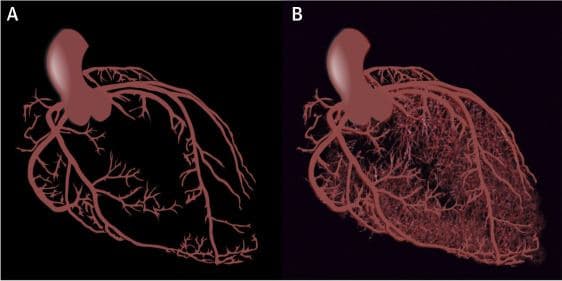
Poor sleep patterns affect blood pressure, heart rhythm, stress levels, and overall heart function. The link between sleep and heart disease is now well established, and it is something we pay increasing attention to in cardiology.
Diet and exercise tend to get most of the attention, while the importance of sleep is underestimated. Improving sleep quality can lead to noticeable improvements in energy levels, blood pressure, and even symptoms such as palpitations.
Why Sleep Matters for the Heart
Sleep is not simply a period of rest. During sleep, the body carries out essential repair and recovery processes that directly affect the cardiovascular system.
A healthy sleep cycle helps regulate:
Heart rate
Stress hormone levels
Inflammation
Blood sugar control
When sleep is consistently poor, these systems become disrupted. Over time, this increases cardiovascular strain.
Long-term sleep problems often sit alongside several other cardiovascular risk factors developing at the same time.
How Poor Sleep Affects the Heart
The link between sleep and heart disease becomes clearer when we look at what happens physiologically during inadequate sleep.
Raised Blood Pressure
During healthy sleep, blood pressure naturally falls overnight. This gives the cardiovascular system time to recover.
When sleep is poor or interrupted, blood pressure may remain elevated for longer periods.
Chronic sleep disruption can make it harder to control hypertension, even when medication is being taken.
Increased Stress Hormones
Lack of sleep raises levels of cortisol and adrenaline.
These hormones increase heart rate and place additional strain on the cardiovascular system.
This can become a cycle, where stress affects sleep and poor sleep then worsens both stress and cardiovascular symptoms.
Higher Risk of Heart Rhythm Problems
Sleep disruption can also affect the heart’s electrical system.
Poor sleep is a recognised trigger for palpitations and irregular heart rhythms, particularly atrial fibrillation.
Inflammation and Metabolic Changes
Poor sleep contributes to inflammation and affects how the body regulates blood sugar.
Over time, this increases the risk of conditions such as type 2 diabetes and coronary artery disease.
Sleep Apnoea and Heart Disease
One of the most important examples of the link between sleep and heart disease is obstructive sleep apnoea.
This condition causes repeated interruptions in breathing during sleep, leading to drops in oxygen levels and fragmented sleep quality.
Common signs include:
Loud snoring
Waking feeling unrefreshed
Daytime fatigue
Morning headaches
Sleep apnoea is frequently underdiagnosed. Many people are unaware they have it until a partner notices the symptoms.
Sleep apnoea is strongly associated with high blood pressure, atrial fibrillation, and heart failure.
How Much Sleep Does the Heart Need?
Most adults benefit from around seven to nine hours of sleep per night.
However, quality matters just as much as quantity.
Sleeping for an adequate number of hours but with frequent interruptions can still leave the body short of proper recovery, and symptoms can follow.
Consistent sleep routines tend to work better than trying to “catch up” on sleep at weekends, because the cardiovascular system responds best to regular patterns.
A Real-World Perspective
One of the most common patterns is people normalising poor sleep.
People often accept waking frequently, sleeping only a few hours, or feeling exhausted during the day as part of modern life.
Symptoms tend to build gradually over time. Fatigue, high blood pressure, palpitations, and reduced concentration all become more noticeable.
Sleep problems often only come to light when a routine is explored in detail as part of a cardiology assessment.
Practical Ways to Improve Sleep and Support Heart Health
Small changes in routine can have a meaningful impact on both sleep quality and cardiovascular health.
Maintain a Consistent Sleep Schedule
Going to bed and waking at similar times each day helps regulate the body’s internal clock.
Reduce Evening Screen Time
Exposure to screens late in the evening can disrupt sleep quality.
Reducing screen use before bed addresses one of the underlying causes of poor sleep, rather than masking it.
Limit Caffeine and Alcohol
Both can interfere with sleep quality and contribute to palpitations.
Create a Calm Sleep Environment
A cooler, quieter, and darker room generally supports deeper sleep.
Stay Physically Active
Regular movement during the day helps improve sleep quality at night.
Why Sleep Should Be Taken Seriously
Sleep is often treated as optional, but from a cardiovascular perspective, it is essential.
The link between sleep and heart disease is now supported by substantial evidence, and improving sleep should be viewed as part of long-term heart health management rather than simply a lifestyle preference.
People who improve their sleep quality often notice benefits across several areas of health at once.
Conclusion
The link between sleep and heart disease is significant. Poor sleep affects blood pressure, stress hormones, heart rhythm, and long-term cardiovascular risk, while healthy sleep supports recovery and overall heart function.
Improving sleep quality is one of the most overlooked ways to support heart health alongside diet and exercise.
If you have chest pain that does not settle, sudden severe breathlessness, or you faint or collapse, call 999 straight away. If you are experiencing ongoing fatigue, poor sleep, palpitations, or concerns about your cardiovascular health, you can contact Roy Jogiya at Kingston Cardiologist to arrange a consultation and discuss the most appropriate next steps for your care.